Toy Collecting Works Best With a Clear Purpose
Toy collecting can begin with nostalgia, curiosity, design appreciation, or the simple thrill of finding a piece that feels special. A valuable collection, though, usually grows from more than random buying. The strongest collections have focus, condition standards, documentation, storage habits, and a point of view. When collectors understand why they are buying, what they are preserving, and how each item fits the larger story, the collection becomes more meaningful and easier to manage.
Start With a Collecting Focus
The first step in toy collecting is deciding what kind of collection you are building. A focus might be a toy line, decade, character, brand, material, designer, country of origin, or personal childhood theme. Without a focus, collecting can quickly become cluttered buying. With a focus, each purchase has a reason to belong.
A focus does not have to be narrow forever, but it should be clear enough to guide early choices. A collector might begin with 1980s action figures, tin wind-up toys, fashion dolls, construction sets, plush mascots, or boxed board games. The important question is whether the category gives you enough interest to keep learning. A collection becomes stronger when curiosity grows along with the shelf.
Learn the Market Before Spending Heavily
New collectors often want to buy quickly, but learning first can prevent expensive mistakes. Prices can vary widely based on condition, packaging, rarity, production year, variations, and demand. Two toys that look similar at a glance may have very different value because one has original accessories, a rare color, or a documented production detail.
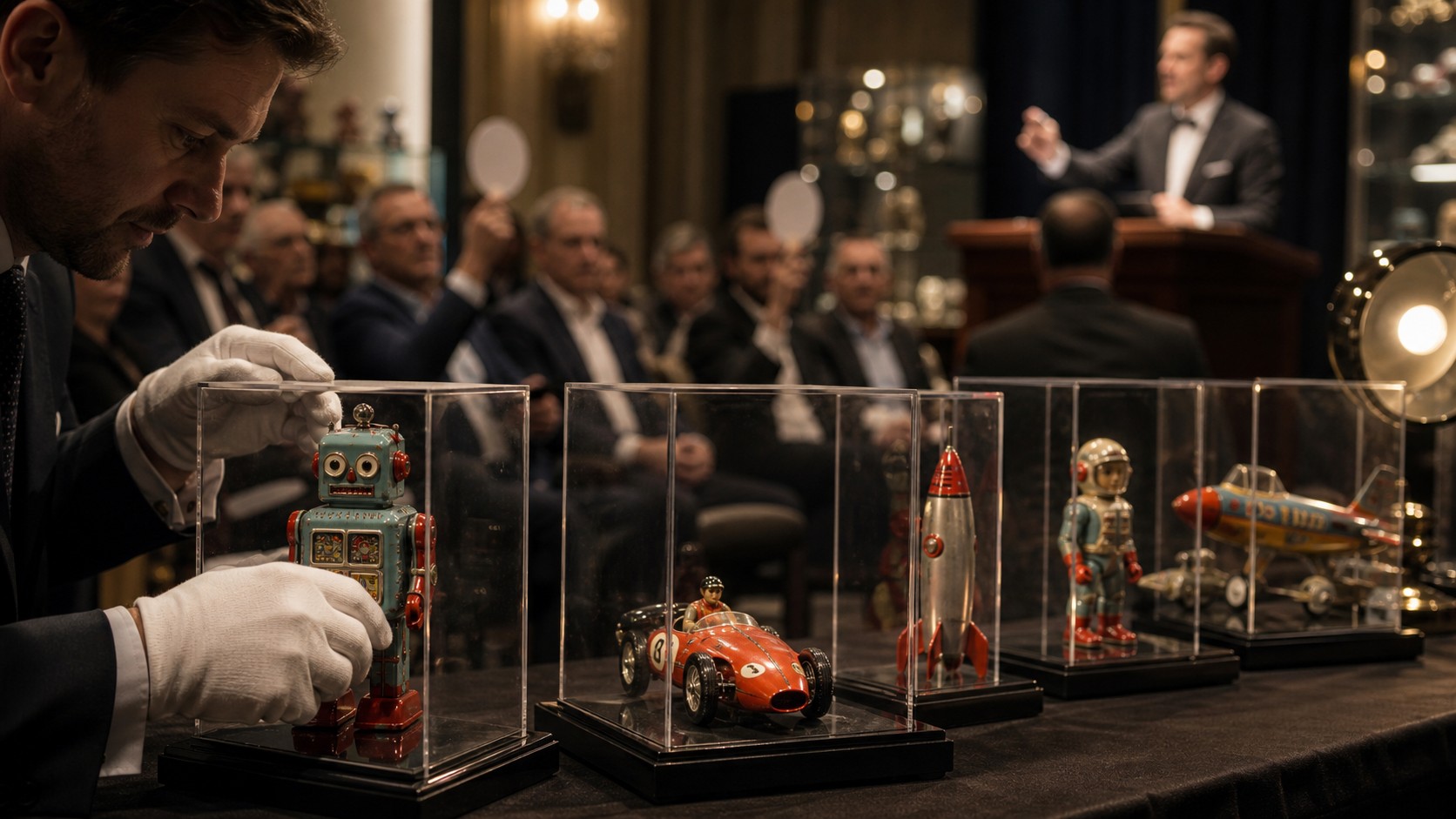
Market learning should include sold listings, collector forums, auction archives, guidebooks, specialty shops, and conversations with experienced collectors. Asking prices are not the same as real value. A listing can sit for months at an unrealistic price, while sold records show what buyers actually paid. Careful research helps collectors separate excitement from evidence.
Condition Matters More Than Beginners Expect
Condition is one of the biggest drivers of collectible toy value. Paint wear, cracks, missing accessories, sun fading, loose joints, damaged boxes, replaced parts, and odors can all affect desirability. A toy can be rare and still lose value if condition problems make it less appealing to serious collectors.
Collectors should learn the condition language for their category. Some markets use grading services, while others rely on detailed photos and seller descriptions. Either way, the goal is to look carefully. A beginner who learns to inspect corners, seams, decals, joints, and packaging will make better decisions than a buyer who reacts only to the name of the toy.
Original Packaging Can Change the Equation
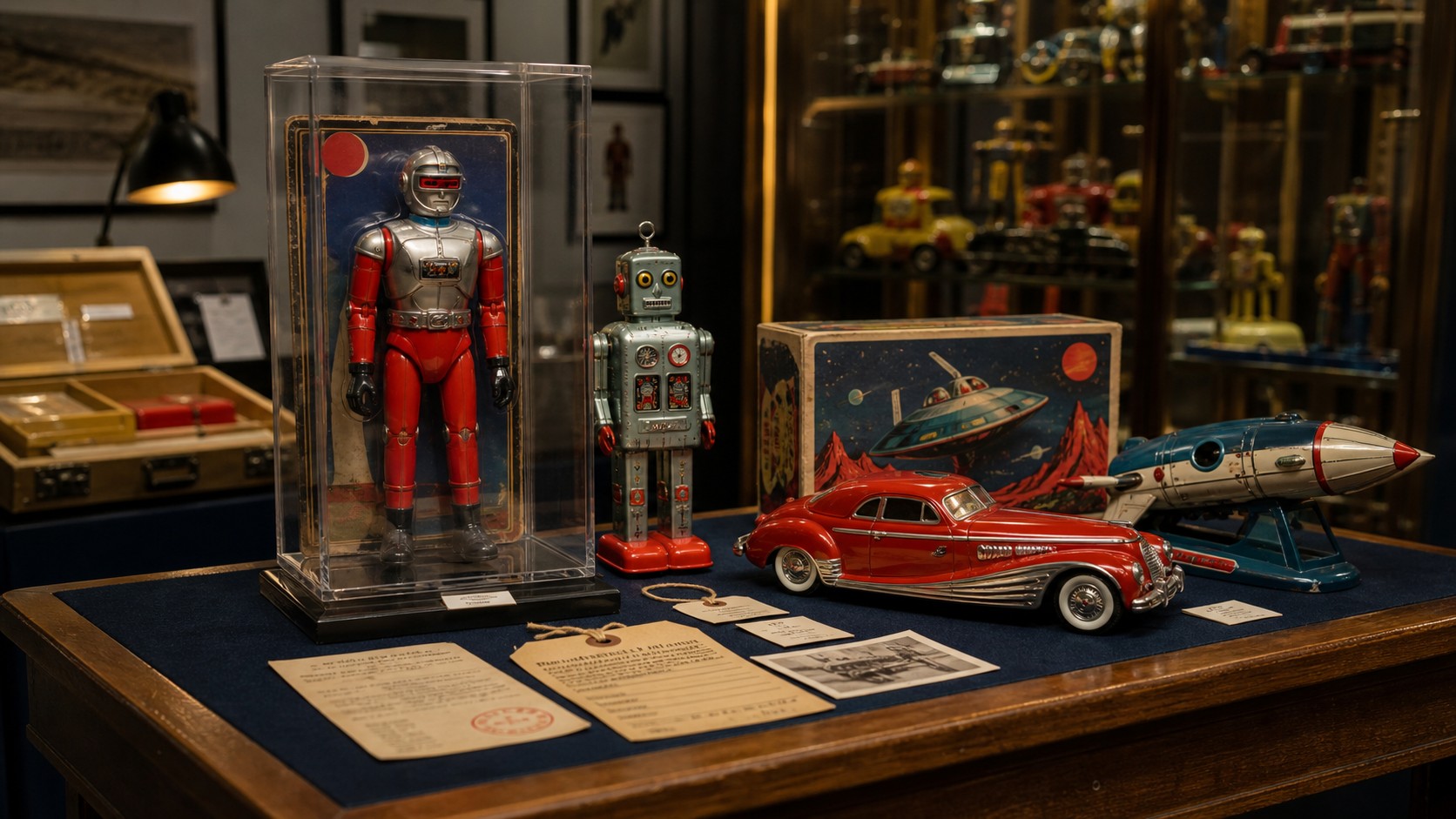
Original packaging often raises value because it preserves context. Boxes, card backs, instruction sheets, inserts, catalogs, stickers, and sealed bags help prove how the toy was sold and whether accessories are complete. Packaging also adds visual appeal, especially for collectors who display items as cultural objects rather than loose play pieces.
That does not mean loose toys are worthless. Many collectors build excellent loose collections because they value sculpting, play history, or affordability. The key is understanding the tradeoff. A mint boxed item may command a premium, while a clean loose example may be more realistic for daily collecting. The best choice depends on the collector’s goals and budget.
Documentation Protects the Collection
A valuable toy collection should have records. Keep purchase dates, prices, seller information, condition notes, photos, authenticity details, and any provenance attached to important pieces. Documentation helps with insurance, resale, estate planning, and personal organization. It also prevents a collection from becoming a mystery pile years later.
Digital spreadsheets, photo folders, and simple catalog apps can all work. The system does not need to be fancy, but it does need to be consistent. A collector who documents from the beginning saves future effort. Good records also help reveal collecting patterns, such as overpaying for incomplete pieces or neglecting a category that matters more.
Storage and Display Are Part of Value
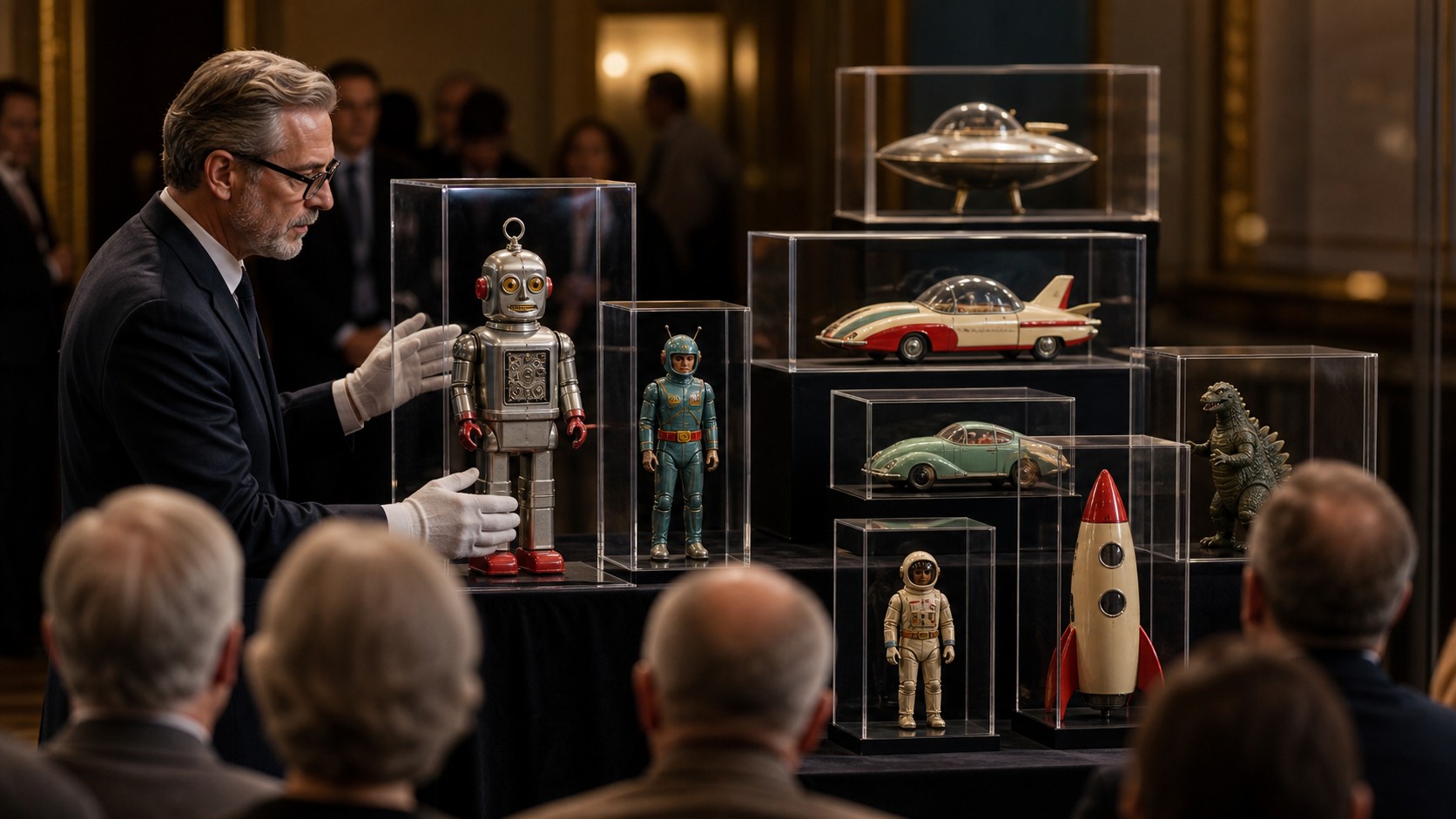
Collectible toys are physical objects, and physical objects can be damaged by light, heat, humidity, dust, pests, pressure, and careless handling. Display should protect as well as show. Shelving, cases, archival boxes, acid-free materials, and controlled environments can make a major difference over time.
Sunlight is especially risky because fading often cannot be reversed. Boxes can warp, plastics can discolor, rubber can degrade, and stickers can peel. A collection that is stored thoughtfully is more likely to retain both financial and emotional value. Collectors should think of preservation as part of the hobby, not an afterthought.
Buy the Best Example You Can Reasonably Afford
A common collecting lesson is that quality usually beats quantity. Ten mediocre examples may cost as much as one excellent piece that truly anchors a collection. Beginners sometimes buy many low-grade items because each one feels affordable, then realize later that upgrading is expensive and storage is limited.
This does not mean every purchase must be perfect. It means collectors should understand why a lower-grade piece is acceptable. Maybe the toy is rare, personally meaningful, or intended as a placeholder until a better example appears. Conscious compromise is different from impulsive accumulation.
Avoid Chasing Hype Without Context
Toy markets can heat up quickly when a movie, anniversary, influencer, or auction result brings attention to a category. Hype can create real demand, but it can also push new collectors into overpaying. A price spike does not always mean long-term value. Sometimes it only means many people noticed the same item at once.
Collectors should ask whether the toy has lasting importance beyond the current buzz. Does it have cultural history, design significance, rarity, condition scarcity, or a passionate collector base? If the answer is unclear, patience is wise. A thoughtful collector can enjoy trends without letting them control the collection.
Build Relationships in the Collecting Community
Collectors learn faster when they talk with other collectors. Communities can help identify variations, spot reproductions, understand fair pricing, and discover the stories behind unusual pieces. Good relationships also make collecting more enjoyable because the hobby becomes shared knowledge rather than private shopping.
Trust matters, especially when buying expensive items. Reputable dealers, careful sellers, and knowledgeable collectors can save beginners from mistakes. At the same time, collectors should verify claims rather than accepting every confident statement. Healthy community participation combines openness with careful judgment.
Know When to Pass
One of the hardest collecting skills is walking away. A toy may be tempting because it is rare, but the condition may be wrong, the price may be inflated, or the seller may not provide enough information. Passing can feel disappointing in the moment, but it protects the collection’s direction and budget.
Collectors who pass thoughtfully often make better purchases later. Another example may appear, or research may reveal that the first item was not as special as it seemed. Patience is not inactivity. It is part of disciplined collecting. The collection becomes stronger because not everything gets in.
Value Is More Than Price
A valuable collection can have financial worth, but price is not the only measure. A toy may matter because it represents a childhood memory, a design breakthrough, a cultural moment, or a rare survival of everyday play history. Some of the most satisfying collections combine market awareness with personal meaning.
Collectors should be honest about their goals. If investment value matters, condition, documentation, and market history become especially important. If personal joy matters most, the collection can be more flexible. The strongest collections often balance both: they are emotionally satisfying and intelligently built.
Review the Collection Regularly
A collection should be reviewed from time to time. Pieces that once seemed essential may no longer fit the focus. Duplicates may be taking space from better examples. A neglected area may deserve more attention. Regular review helps the collector refine the collection rather than simply expand it.
This process does not have to be ruthless. It can be a way of understanding what the collection has become. Collectors change, markets change, and knowledge grows. A collection that is reviewed and refined can become more coherent, more valuable, and more enjoyable over the years.
Understand Completeness Before You Buy
Completeness can be just as important as condition when building a valuable toy collection. A figure may look excellent but lose desirability if it is missing a weapon, stand, cape, sticker sheet, instruction booklet, or original insert. Some accessories are harder to find than the toy itself, which means an incomplete bargain can become expensive later.
Collectors should learn what complete means in their chosen category before spending heavily. Reference photos, collector checklists, old catalogs, and verified listings can help. When a seller says an item is complete, ask how they know. A careful collector treats completeness as a research question, not a vague promise.
Think About Long-Term Space
Toy collections take up more space than beginners expect. Boxed toys, playsets, vehicles, and display cases can quickly fill shelves, closets, and rooms. If space is not considered early, the collection may become stressful instead of enjoyable. A valuable collection needs room to breathe, both physically and visually.
Planning space also affects buying discipline. A collector with limited room may choose fewer, better pieces rather than every affordable example. This can make the collection stronger. When display and storage are part of the plan, each item has a place and the overall collection feels more intentional.
Learn to Recognize Reproductions and Restorations
As toy values rise, reproductions and restored pieces become more common. Replacement stickers, reproduction weapons, touched-up paint, repaired boxes, and resealed packaging can all affect value. Some restored items are perfectly acceptable if they are disclosed, but they should not be priced or described like untouched originals.
Collectors can protect themselves by studying known originals and asking direct questions. What parts are original? Has anything been repaired? Are the stickers new? Is the box sealed from the factory or resealed? Honest answers matter. A collection built on accurate information is stronger than one built on assumptions.
Use Budget Tiers Instead of One Big Wishlist
A long wishlist can make collecting feel overwhelming, especially when prices vary from a few dollars to several thousand. Budget tiers help. A collector can separate affordable regular targets, mid-level priority pieces, and long-term grail items. This keeps the hobby active without pretending every dream piece is immediately reachable.
Budget tiers also reduce impulsive spending. If a collector knows they are saving for a major item, it becomes easier to pass on distracting purchases. Smaller finds can still be fun, but they should not constantly delay the pieces that matter most. A valuable collection grows through choices, not just opportunities.
Plan for Insurance and Estate Clarity
As a collection becomes valuable, practical planning becomes important. Insurance may require documentation, photos, estimated values, and sometimes appraisals. Family members may not understand the difference between a common loose toy and a rare boxed example. Without records, valuable pieces can be mishandled or undervalued.
Collectors should leave enough information for someone else to understand the collection if needed. A simple inventory, value notes, trusted dealer contacts, and storage map can make a major difference. This planning may feel less exciting than buying, but it protects the work that went into building the collection.