Million-Dollar Toys Are Rare for More Than One Reason
Rare toys that become million-dollar collectibles usually sit at the intersection of scarcity, condition, provenance, and cultural obsession. They are not valuable simply because they are old or because few examples exist. They become extraordinary when collectors believe the object represents an irreplaceable piece of toy history. A million-dollar price is a sign that the market sees the toy as more than play material. It sees a story worth competing for.
True Rarity Needs Demand
A toy can be rare without being extremely valuable. If few collectors care about the category, scarcity alone may not create a major price. Million-dollar toys need both limited supply and intense demand. The strongest examples are rare objects tied to brands, characters, creators, or cultural moments that many people still recognize.
Demand is often built over decades. A toy line becomes legendary, a character remains beloved, or a generation reaches the age where it can buy back pieces of its childhood. When that emotional demand meets a tiny supply of high-grade examples, prices can rise far beyond ordinary collecting levels.
Condition Separates Grails From Survivors
Many old toys survived, but few survived beautifully. Play wear, missing parts, broken mechanisms, damaged boxes, and fading can separate an interesting survivor from a record-level collectible. At the top of the market, small condition differences can have enormous financial consequences.
Million-dollar examples often stand out because they are both rare and remarkably preserved. A toy that was meant to be played with may appear almost untouched decades later. That level of survival feels unlikely, and collectors pay for that improbability. Condition becomes part of the rarity.
Prototypes Can Become Legendary
Prototype toys can reach extraordinary values because they represent a stage before ordinary production. They may be handmade, painted differently, molded in unusual material, or connected directly to a designer or studio. A prototype can reveal the creative process behind a famous toy, which makes it especially attractive to advanced collectors.
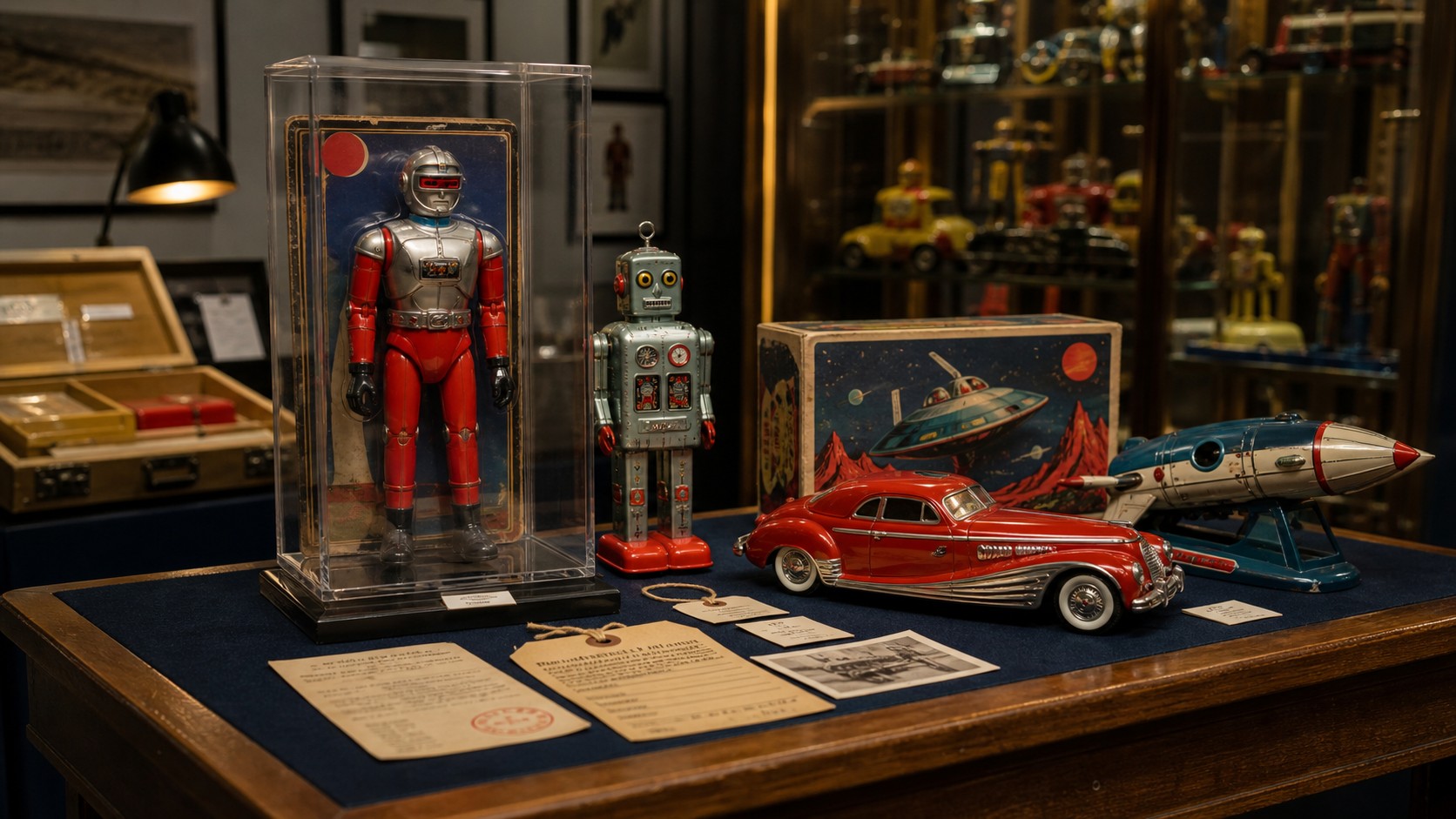
These pieces need documentation because high value invites doubt. A prototype without credible history may be hard to trust, while one with strong provenance can become a centerpiece. The value comes from both the object and the proof that it truly belongs to the story collectors believe it tells.
Media Franchises Can Multiply Value
Toys connected to major films, television shows, comics, games, or pop-culture icons often have a larger collector base than toys without a strong media connection. A rare figure from a beloved franchise can attract toy collectors, film fans, nostalgia buyers, and investors at the same time. That broad demand can push prices higher.
Media connections also keep stories alive. A character may be reintroduced through new movies, streaming, anniversaries, or documentaries, bringing fresh attention to older toys. When a rare item is tied to a franchise that remains culturally active, the market has more reasons to care.
Packaging Can Be the Difference
Packaging is often what moves a rare toy into the highest tier. A loose example may be desirable, but a sealed or carded example can become dramatically more valuable because it preserves the toy’s original retail moment. The package tells collectors how the toy first appeared to children, parents, and store shelves.
For million-dollar collectibles, packaging condition is scrutinized intensely. Corners, seals, bubbles, price stickers, color, and surface wear all matter. The box or card is not just a container. It is part of the artifact, and in some cases it carries as much visual and historical importance as the toy itself.
Historical Firsts Attract Serious Buyers
Toys that represent a first can become especially valuable. The first appearance of a character, the first production run, the first version of a famous design, or the first toy from a major franchise can all attract attention. Firsts matter because collectors like origins. They want the earliest trace of something that later became important.
However, first status must be proven. Collectors need to know whether an item is truly early, whether variations are understood, and whether claims are supported by research. In high-value collecting, vague claims are not enough. The strongest firsts are backed by evidence.
Scarcity Can Come From Mistakes and Cancellations
Some toys become rare because they were cancelled, recalled, misprinted, regionally limited, or changed quickly after release. These unusual production stories can create scarcity that collectors find fascinating. A toy that barely reached shelves may become more famous later because so few people saw it at the time.
Mistakes and cancellations also create strong narratives. Collectors enjoy objects with a story: the figure that was pulled, the package that changed, the color that was corrected, or the sample that never reached mass production. A compelling production story can make rarity easier to understand and remember.
Authentication Becomes Essential at the Top
The higher the price, the more important authentication becomes. Rare toys can attract reproductions, restored parts, resealed packaging, and exaggerated claims. Serious buyers need photographs, expert opinions, provenance, grading reports, and careful comparison with known examples. Trust is part of the transaction.
Authentication does not remove every risk, but it reduces uncertainty. A million-dollar collectible must convince buyers that it is genuine, complete, and accurately described. Without that confidence, rarity can become a liability rather than a strength.
Why Collectors Compete So Fiercely
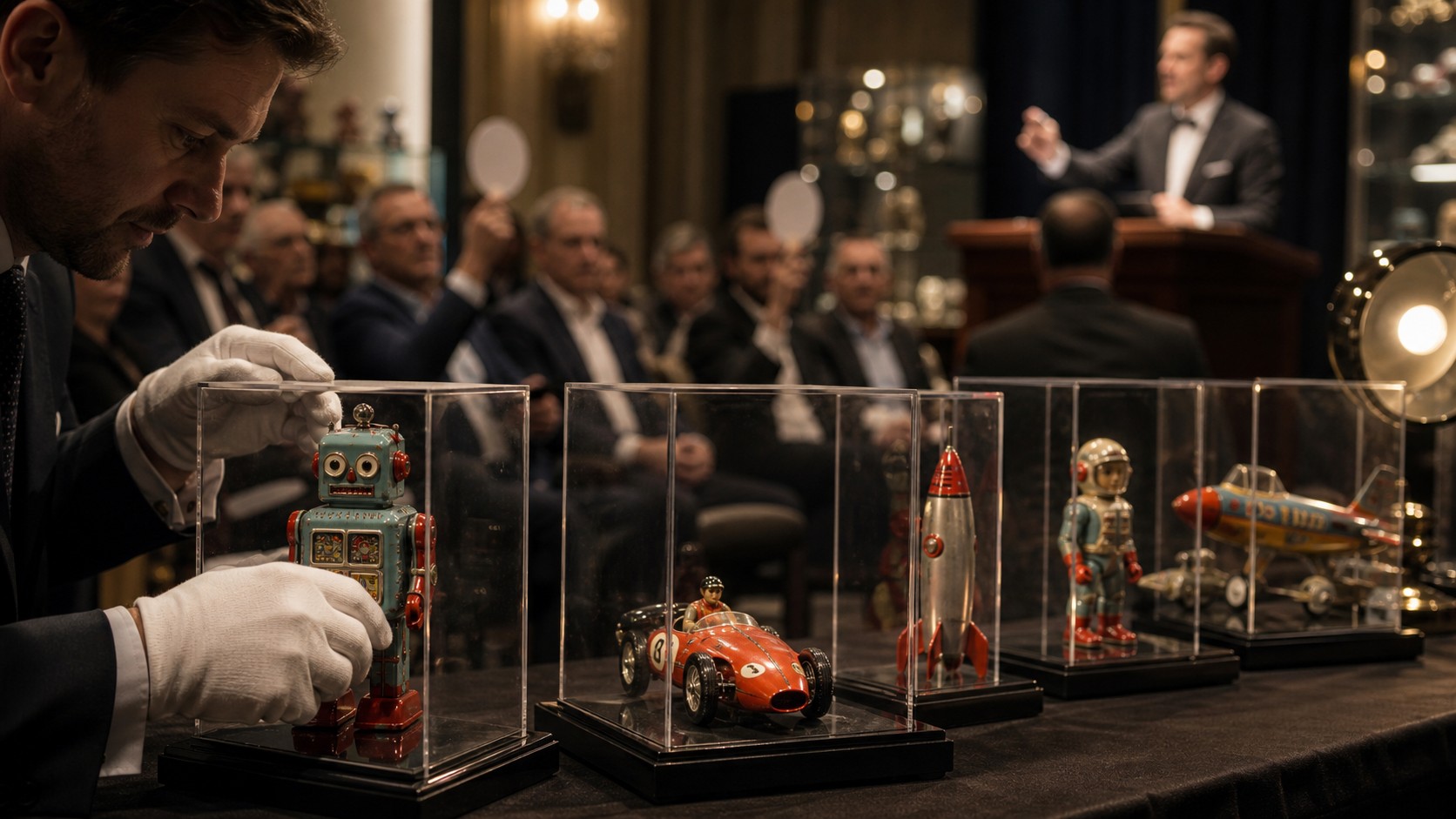
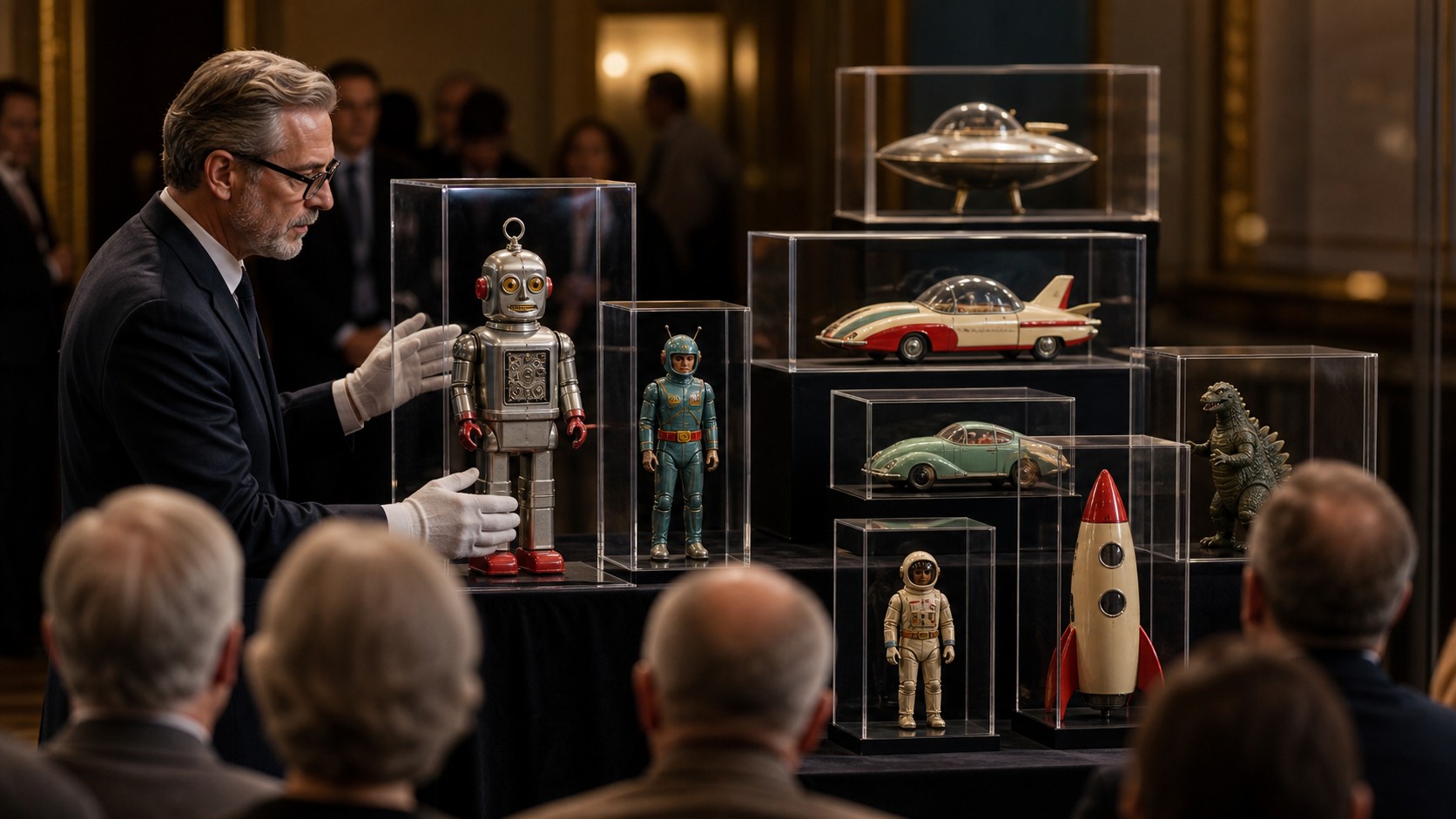
Million-dollar toy sales often happen because several serious buyers understand that they may not get another chance. A true grail piece may appear once in a generation, especially if it has elite condition and documentation. Scarcity creates urgency, and urgency can create bidding drama.
Competition is not only financial. It is emotional and historical. Collectors may see the toy as the missing piece in a lifelong pursuit, a museum-worthy artifact, or a symbol of a franchise they love. When several people attach that level of meaning to one object, the final price can become extraordinary.
What Ordinary Collectors Can Learn
Most collectors will never buy a million-dollar toy, but the principles behind those sales still matter. Focus, condition, documentation, authenticity, storage, and patience shape value at every budget. A modest collection can be built intelligently by applying the same habits on a smaller scale.
The lesson is not to chase impossible prices. It is to understand why the best pieces rise. They are not random. They have a reason to matter, a reason to survive, and a reason for collectors to trust them. Those same qualities can make any collection stronger.
Million-Dollar Toys Preserve Childhood History
When a toy reaches a million-dollar level, it forces people to reconsider what toys represent. These objects were once made for play, but they also carry stories about design, manufacturing, media, childhood, and culture. Their value shows that playthings can become historical artifacts.
That shift does not erase the joy of toys. If anything, it confirms their importance. A toy that shaped imagination for thousands or millions of children can become a symbol of its era. Million-dollar collectibles matter because they preserve the emotional and cultural power of play.
Rarity Should Be Respected Carefully
Rare toys can inspire excitement, but collectors should approach them with patience. The more valuable an item appears, the more carefully it should be researched. A rushed purchase can lead to overpaying, buying an incomplete example, or trusting a story that does not hold up under scrutiny.
Respecting rarity means asking better questions. What makes this rare? How many examples are known? What condition is it in? Who has verified it? Why do collectors care? A toy that can answer those questions clearly is far more compelling than one surrounded only by hype.
Million-Dollar Status Usually Takes Time
Most million-dollar toys did not become legendary overnight. Their status built through years of collector attention, research, scarcity, and cultural memory. A toy line may need decades before people understand which pieces are truly rare and which examples have survived in exceptional condition.
Time also reveals demand. A brief trend can create high prices for a while, but million-dollar status usually requires deeper staying power. Collectors need to believe the item will remain important after the current excitement fades. That belief comes from history, not only headlines.
The Best Rare Toys Have Clear Explanations
A rare toy becomes more compelling when collectors can explain exactly why it matters. Maybe it was a prototype, a cancelled release, a sealed first issue, a documented archive piece, or the best known example of a famous toy. Clear explanations make rarity understandable and easier to trust.
Vague rarity is less powerful. If a seller cannot explain what makes the toy scarce, or if the claim changes depending on the audience, buyers should be cautious. High-end collecting depends on clarity. A million-dollar story needs evidence that can survive serious questions.
Condition and Rarity Work Together
A rare toy in poor condition may still be important, but top prices usually require condition that matches the object’s significance. Collectors paying record amounts often want the rare item and the best possible presentation of that rarity. A damaged box, missing piece, or uncertain repair can limit the ceiling.
This does not mean imperfect rare toys lack value. In some cases, any authentic example is desirable. But the leap to extraordinary pricing often happens when rarity and preservation meet. The item feels almost impossible twice: hard to find at all, and harder still to find in that state.
Private Sales Can Shape the Myth
Not every major toy sale happens publicly. Private sales can influence collector conversations even when exact details remain limited. A rumored price, known buyer, or quietly traded grail can add to the mythology around a toy. However, private sales are harder to verify and should be discussed carefully.
Public auctions provide clearer data, but private sales may involve pieces that owners do not want widely advertised. Serious collectors learn to distinguish confirmed information from collecting lore. Both can shape a toy’s reputation, but only documented sales should be treated as firm evidence.
Rare Toys Need Care After the Purchase
Buying a rare toy is only the beginning of responsibility. The new owner must protect it from light, humidity, handling damage, poor display choices, and documentation loss. A million-dollar collectible can lose value if preservation is careless. Ownership becomes stewardship.
Stewardship also includes keeping records with the object. Provenance, authentication notes, purchase details, grading information, and photographs should remain organized. Future value depends not only on the toy’s physical condition but also on the confidence future buyers or heirs can have in its story.
Why Some Rare Toys Never Reach the Top Tier
Not every rare toy becomes a million-dollar collectible. Some items are scarce but lack broad demand, recognizable history, or enough verified sales to support extreme pricing. Others are rare only because few people collected them, not because the wider market sees them as important. Scarcity needs context.
This distinction helps collectors think more clearly. A rare item can still be fascinating, meaningful, and valuable within a niche. It simply may not have the combination of condition, story, demand, and trust needed for the highest tier. Understanding that difference prevents hype from replacing judgment.