Best Building Toys for Kids Who Love Construction and Architecture
For children who are captivated by towering skylines, intricate bridges, and the magic of transforming raw materials into something meaningful, building toys offer far more than simple entertainment. They are gateways into the world of construction, engineering, and architecture—fields that blend creativity with precision, imagination with structure. The best building toys for kids who love construction and architecture don’t just occupy time; they cultivate problem-solving skills, spatial awareness, and a deep appreciation for how things are designed and built. In today’s landscape of educational play, building toys have evolved into sophisticated tools that mirror real-world construction concepts. From classic interlocking bricks to advanced modular systems and STEM-focused engineering kits, these toys inspire children to think like architects and builders. This guide explores the most engaging and developmentally enriching building toys available, helping parents and educators choose options that align with a child’s curiosity and creative potential.
A: As early as 1–2 years with large, safe blocks.
A: Yes, they support STEM learning, creativity, and problem-solving.
A: It depends on age—fewer for beginners, more for advanced builders.
A: Wooden are durable and simple; plastic offers more variety and features.
A: Yes, if sealed properly and age-appropriate.
A: Use labeled bins or compartment boxes.
A: Not really—complexity just increases with age.
A: Many systems are compatible or can be creatively combined.
A: Helpful for learning, but free-building is equally valuable.
A: They develop critical thinking through hands-on creation.
Why Building Toys Matter for Young Minds
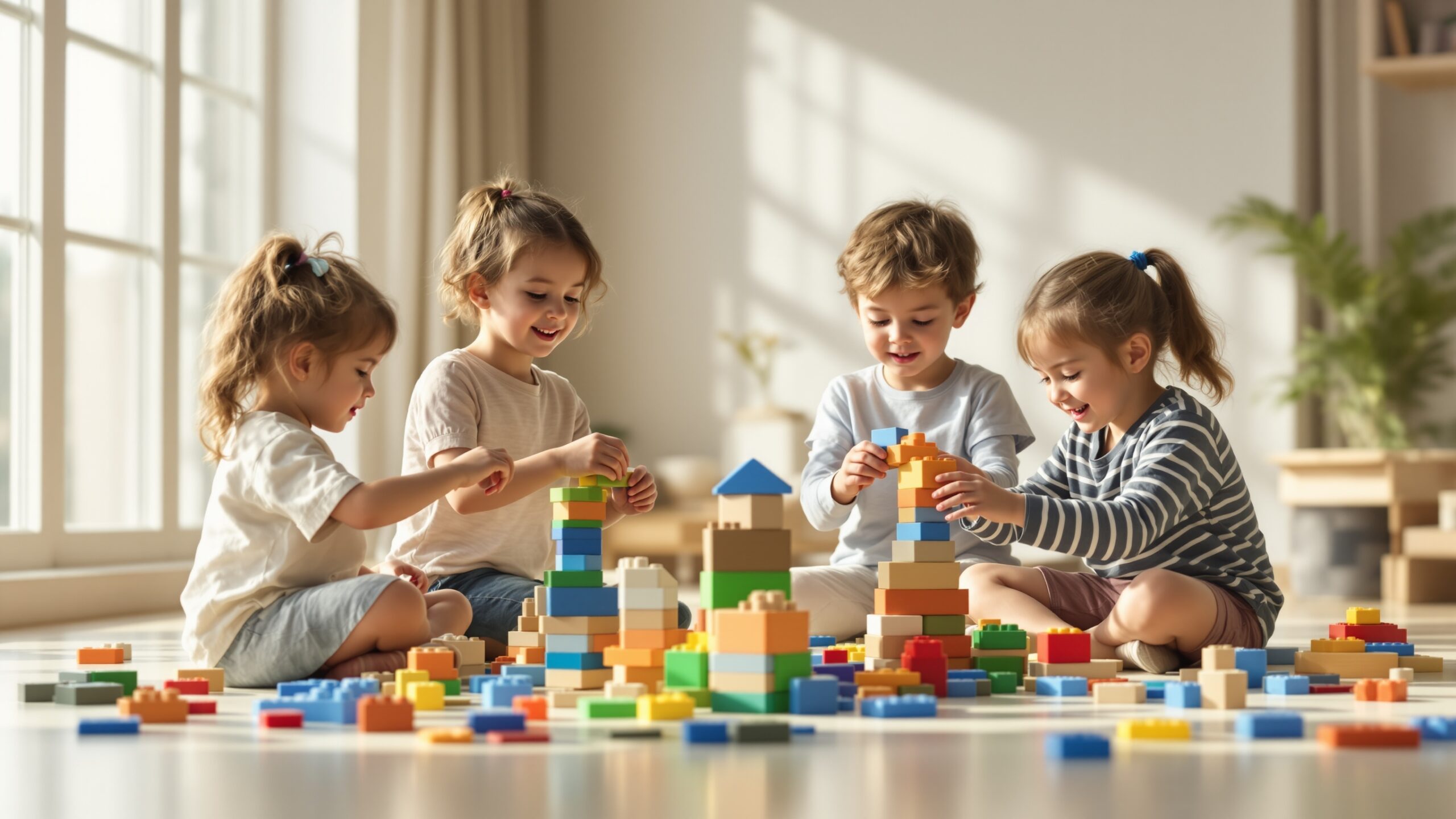
Building toys are uniquely positioned at the intersection of play and learning. When a child stacks blocks, connects pieces, or assembles a structure from a set of instructions, they are engaging in complex cognitive processes. These activities enhance spatial reasoning, a skill closely linked to success in science, technology, engineering, and mathematics. Children begin to understand balance, symmetry, and proportion—core principles in architecture and structural design.
Beyond cognitive development, building toys foster patience and persistence. Constructing a stable structure often requires trial and error, encouraging children to iterate, refine, and improve their designs. This process mirrors real-world engineering workflows, where setbacks are part of innovation. As children experiment with different configurations, they develop resilience and a growth mindset.
Equally important is the creative freedom these toys provide. Open-ended building systems allow children to move beyond instructions and design their own creations, from futuristic cities to intricate mechanical systems. This blend of structure and imagination is what makes building toys so powerful for children interested in construction and architecture.
Classic Building Blocks: The Foundation of Creativity
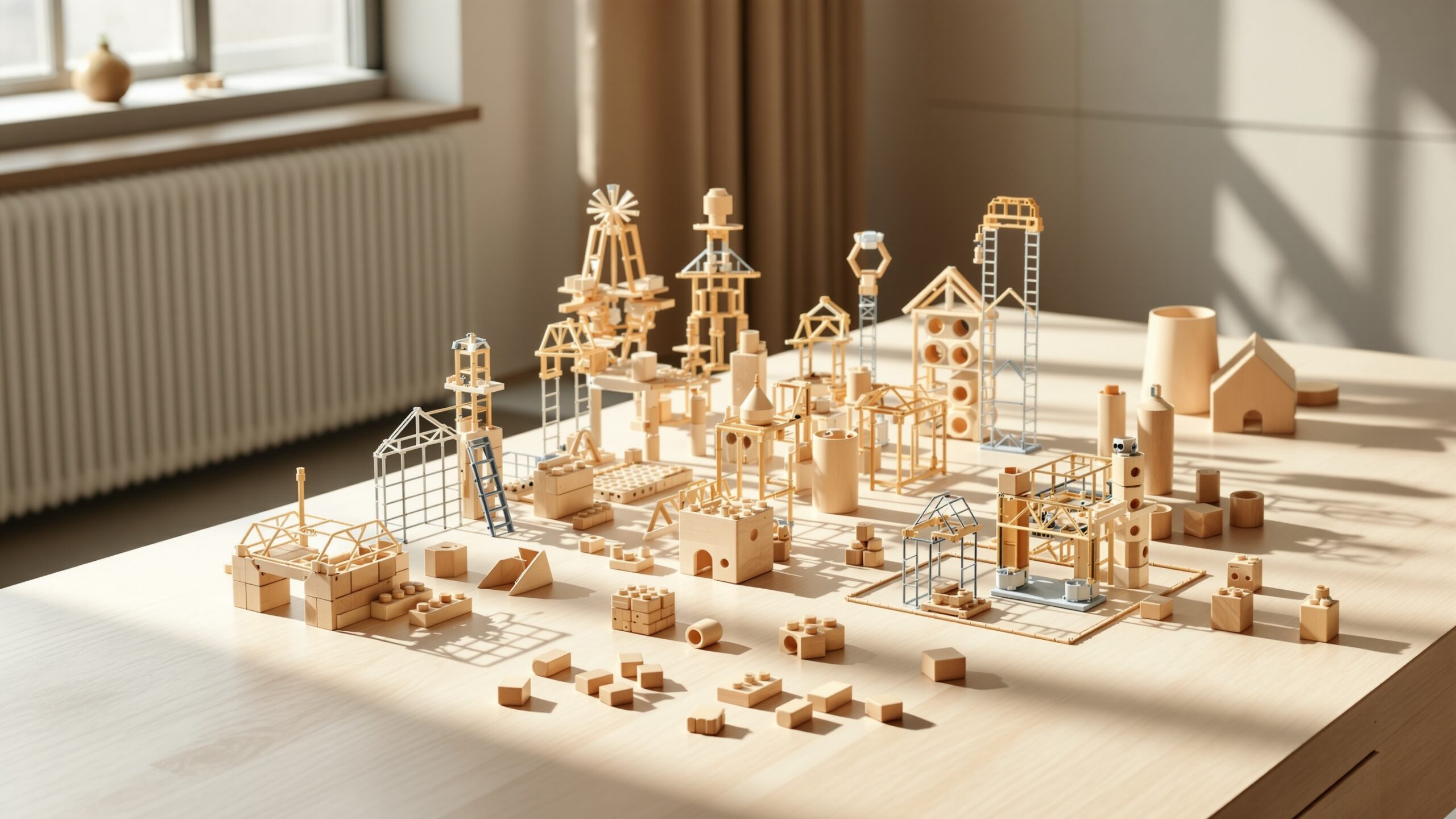
Few toys are as timeless and versatile as traditional building blocks. Wooden blocks, in particular, remain a staple in early childhood development. Their simplicity is their strength. Without predefined connectors or instructions, children must rely entirely on their imagination and understanding of balance to create structures. Towers, bridges, and miniature cities emerge from these basic shapes, offering endless possibilities.
Classic interlocking brick systems, such as those made from durable plastic, take this concept a step further. These sets introduce a level of precision that allows for more complex designs. Children can construct detailed buildings, vehicles, and architectural models, often following step-by-step guides that teach sequencing and planning. At the same time, these systems remain open-ended, enabling free-form creativity once the basics are mastered.
For children fascinated by construction and architecture, these foundational toys serve as an essential starting point. They introduce the principles of building in a way that is both accessible and endlessly engaging.
Advanced Construction Sets: Bringing Real-World Engineering to Life
As children grow and their skills develop, advanced construction sets provide a more sophisticated building experience. These kits often include specialized components such as beams, gears, connectors, and even motorized elements. They are designed to replicate real-world engineering concepts, allowing children to build structures that move, rotate, or support weight.
Engineering-focused building sets often emphasize structural integrity. Children learn how different materials and shapes contribute to stability, experimenting with trusses, arches, and load-bearing designs. This hands-on exploration of physics and engineering principles can be incredibly rewarding, especially for kids who enjoy understanding how things work.
Many of these sets also incorporate STEM learning elements, blending play with educational objectives. Instructions may include explanations of the underlying science, helping children connect their creations to real-world applications. For aspiring architects and engineers, these advanced kits provide a deeper dive into the mechanics of construction.
Magnetic Building Toys: A Modern Twist on Structural Design
Magnetic building toys have surged in popularity for their unique approach to construction. These sets use magnetic edges to connect flat panels or geometric shapes, allowing children to build three-dimensional structures with ease. The satisfying click of magnets snapping together adds a tactile dimension to the building process, making it especially appealing to younger children.
What sets magnetic toys apart is their ability to create complex shapes quickly. Domes, pyramids, and intricate geometric patterns can be assembled without the need for traditional connectors. This encourages experimentation and exploration, as children can easily modify their designs and test new ideas.
For kids interested in architecture, magnetic building sets offer a playful introduction to geometric principles and spatial relationships. They provide a bridge between simple block play and more advanced construction systems, making them an excellent addition to any building toy collection.
Architectural Model Kits: Inspiring Future Designers
Architectural model kits are specifically designed to replicate real-world structures, from famous landmarks to modern skyscrapers. These sets often include detailed components that mimic materials such as glass, steel, and concrete, giving children a realistic sense of architectural design.
Building a model of a well-known structure can be both educational and inspiring. Children learn about different architectural styles, historical contexts, and construction techniques. They gain an appreciation for the complexity and artistry involved in designing buildings, as well as the importance of precision and planning.
Some architectural kits go beyond replication, encouraging children to design their own structures. These sets may include modular components that can be rearranged to create unique buildings, fostering creativity while maintaining a focus on realistic design principles. For young aspiring architects, these kits provide a tangible connection to the world of professional design.
STEM-Focused Building Kits: Learning Through Construction
STEM building kits are designed to integrate science, technology, engineering, and mathematics into the building experience. These sets often include components such as circuits, sensors, and programmable elements, allowing children to create interactive structures and machines.
For example, a child might build a bridge that lights up when weight is applied, or a model building with automated doors. These projects combine construction with basic coding and electronics, introducing children to the interdisciplinary nature of modern engineering and architecture.
STEM kits are particularly valuable for older children who are ready to tackle more complex challenges. They encourage critical thinking, problem-solving, and collaboration, all while maintaining the fun and creativity of building play. For kids passionate about construction and architecture, these kits offer a glimpse into the future of smart buildings and innovative design.
Eco-Friendly and Sustainable Building Toys
As awareness of environmental issues grows, many parents and educators are seeking toys that align with sustainable values. Eco-friendly building toys are made from materials such as responsibly sourced wood, recycled plastics, or biodegradable components. These toys not only reduce environmental impact but also teach children about sustainability and responsible design.
Some building sets are specifically designed to highlight green architecture principles. Children might build structures that incorporate renewable energy elements, such as solar panels or wind turbines. These activities introduce important concepts related to sustainability and environmental stewardship, which are increasingly relevant in modern construction and architecture.
Choosing eco-friendly building toys allows children to explore their interests while also developing an awareness of how their creations can impact the world around them.
Open-Ended Play vs. Instruction-Based Building
One of the key considerations when selecting building toys is the balance between open-ended play and instruction-based building. Open-ended toys encourage creativity and experimentation, allowing children to design and build whatever they imagine. These toys are ideal for fostering innovation and independent thinking.
Instruction-based sets, on the other hand, provide structured guidance. They teach children how to follow plans, understand sequences, and achieve specific outcomes. These skills are essential in fields like construction and architecture, where precision and adherence to plans are critical.
The best approach often involves a combination of both. Children can benefit from the discipline of following instructions while also having the freedom to explore their own ideas. This balanced approach supports both creative and analytical development.
Choosing the Right Building Toys for Different Age Groups
Selecting the right building toys depends largely on a child’s age and developmental stage. Younger children benefit from larger, simpler pieces that are easy to handle and safe to use. These toys focus on basic stacking and connecting skills, laying the foundation for more complex building activities.
As children grow, they can transition to smaller, more intricate pieces that allow for detailed designs. Advanced sets with specialized components are better suited for older children who have developed the fine motor skills and patience required for complex builds.
It’s also important to consider a child’s interests and skill level. Some children may prefer free-form building, while others enjoy the challenge of following detailed instructions. Choosing toys that align with these preferences can enhance engagement and enjoyment.
Encouraging a Lifelong Passion for Building and Design
Building toys have the potential to spark a lifelong interest in construction and architecture. By providing children with the tools and opportunities to explore these fields, parents and educators can nurture skills that extend far beyond playtime.
Encouraging children to document their creations, share their designs, and even collaborate with others can further enhance their experience. Building challenges, themed projects, and real-world inspiration can all contribute to a deeper engagement with the subject.
Ultimately, the best building toys are those that inspire curiosity, creativity, and a desire to learn. They transform play into a meaningful exploration of the world of construction and architecture, laying the groundwork for future innovation.
Final Thoughts: Building the Future One Block at a Time
The world of building toys is as diverse and dynamic as the structures they help create. From classic blocks to advanced engineering kits, these toys offer endless opportunities for exploration and growth. For children who love construction and architecture, they provide a hands-on way to understand the principles that shape our built environment.
By choosing high-quality, engaging building toys, parents and educators can support the development of essential skills while nurturing a passion for design and innovation. Whether a child dreams of building skyscrapers, designing sustainable homes, or simply creating imaginative structures, the right building toys can help turn those dreams into reality. In a world where creativity and problem-solving are more important than ever, building toys stand out as one of the most valuable tools for young minds. They are not just toys—they are the foundation for the builders, engineers, and architects of tomorrow.