Digital Play Changes the Shape of Exploration
Digital play is changing how kids learn and explore because it gives them interactive worlds that respond immediately. Children can build, test, rewind, search, simulate, and share ideas in ways that earlier generations could not. That does not mean every digital experience is valuable, and it does not mean screens should replace hands-on play. It means digital play has become one more environment where curiosity, problem solving, and creativity can grow when the design is thoughtful.
Exploration Is No Longer Only Physical
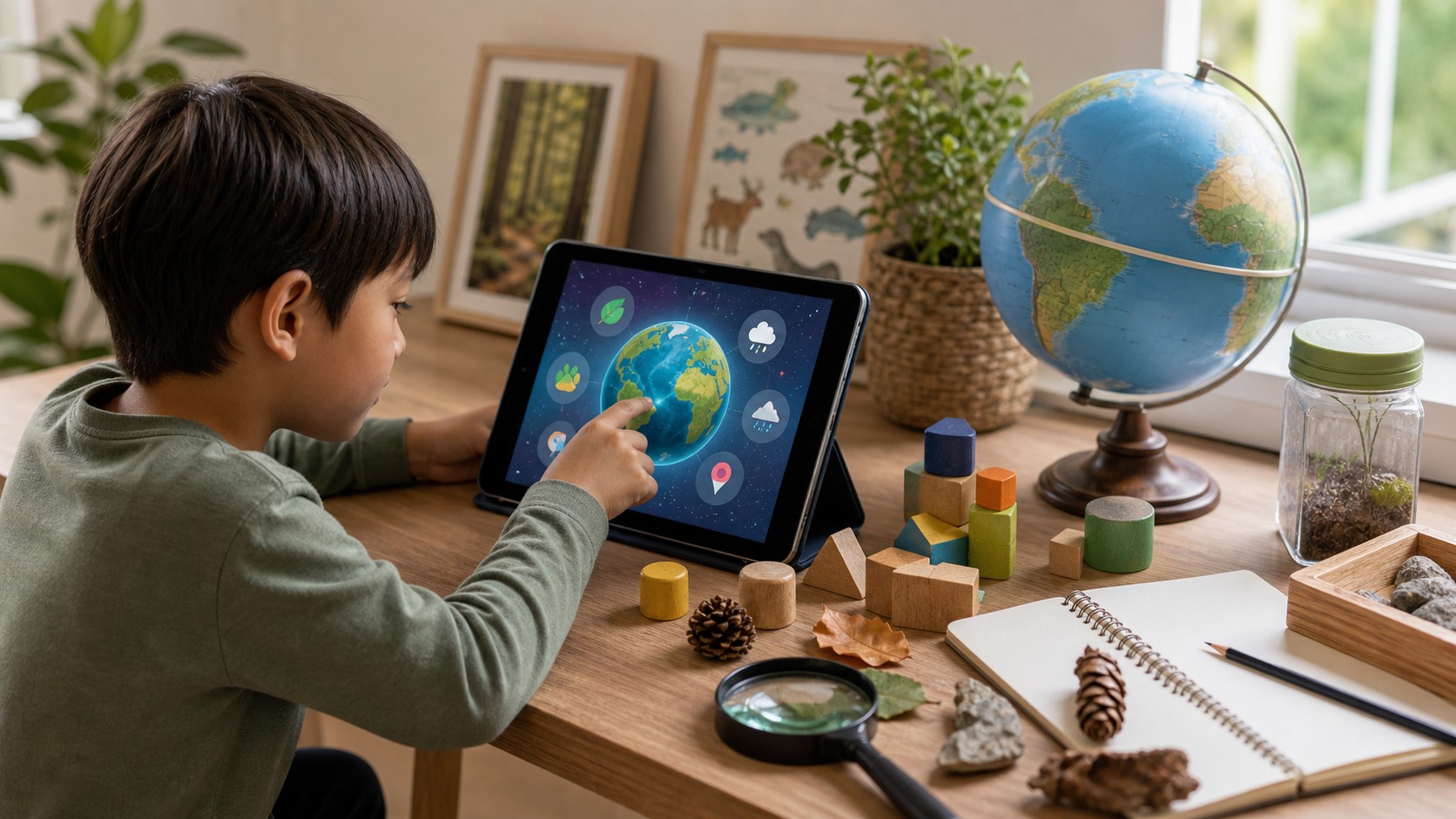
Children still need outdoor play, books, objects, and real-world experiences, but digital environments add a new kind of exploration. A child can travel through a virtual ecosystem, test a physics puzzle, zoom into a map, or build a world that would be impossible on the bedroom floor. The experience is not the same as touching real materials, but it can still spark questions.
This expanded exploration matters because children can repeat and revise quickly. They can test what happens when a bridge changes shape, a habitat loses water, or a character chooses another path. Digital play makes some systems visible and adjustable. That can help children understand relationships that are hard to see in real time.
Interactive Feedback Changes Learning
Digital play often gives immediate feedback. A choice works, fails, opens a new path, or changes the world on screen. That fast response can help children connect action with result. They do not have to wait for an adult to mark an answer. The environment itself shows what happened.
Good feedback encourages experimentation. If a child can retry without shame, they may become more willing to test ideas. This is different from being told the correct answer immediately. The strongest digital learning lets children notice, adjust, and try again, which makes the learning more active.
Digital Tools Can Support Creative Production
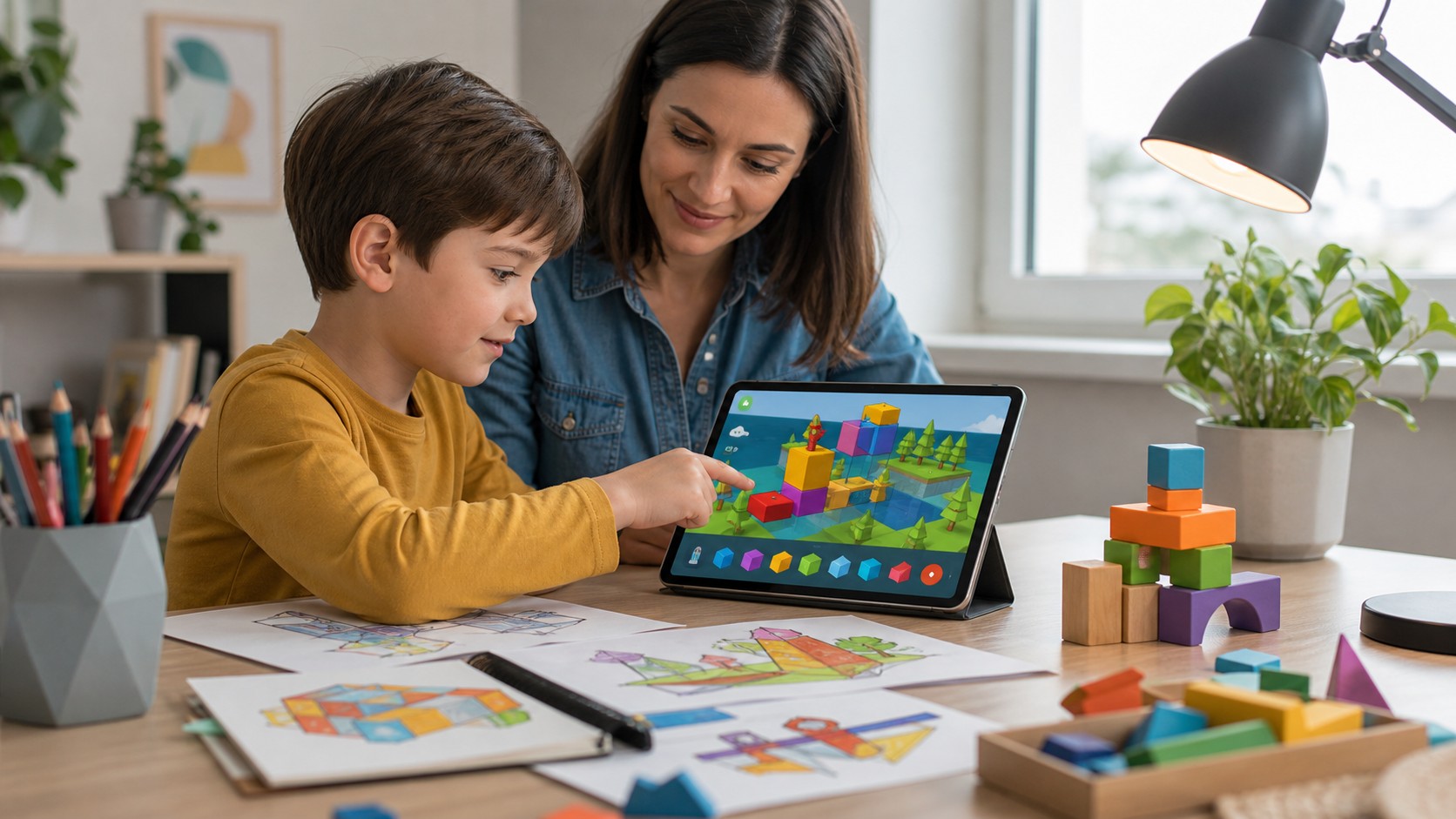
Many children now use digital play to make things, not only to consume them. They build levels, record sounds, design characters, edit images, arrange music, and create stories inside interactive tools. This changes the role of the child from viewer to maker. The screen becomes a workshop.
Creative production gives children a reason to plan and revise. A design may look wrong, a level may be too hard, or a story scene may need a clearer ending. Digital tools make revision easier because children can move, undo, duplicate, and test quickly. That speed can encourage more experimentation.
Search and Discovery Feel Immediate
Digital play has also changed how children follow curiosity. A question that begins in a game can lead to a search, a video, a map, a tutorial, or a related activity. A child who plays with virtual animals may become curious about habitats. A child who builds digitally may look up real architecture or machines.
This immediacy can be powerful, but it needs guidance. Children benefit when adults help them slow down, choose reliable information, and connect digital discoveries to real understanding. Curiosity should not become endless clicking. The best learning happens when a question leads somewhere meaningful.
Digital Play Can Personalize Pace
One reason digital play has changed learning is that many games and tools let children move at their own pace. A child can repeat a puzzle, skip back to an earlier challenge, or spend extra time designing without holding up a class or group. This can be especially helpful for children who need more practice or more room to explore.
Personal pace can also build confidence. A child who feels rushed in a classroom may find courage in a digital puzzle that allows repeated attempts. However, pace should not become isolation. Children still need conversation, support, and chances to explain what they are learning.
Collaboration Looks Different Online and On Screen
Digital play can create new forms of collaboration. Children may build in the same world, share designs, solve puzzles together, or teach one another how a system works. Sometimes the collaboration happens side by side on a couch, and sometimes it happens through connected devices. Either way, the social layer can be real.
Adults should pay attention to the quality of that interaction. Healthy collaboration includes explaining, listening, taking turns, and respecting boundaries. If the digital space encourages pressure, exclusion, or constant comparison, it may need limits. The social design matters as much as the educational content.
Digital Exploration Needs Boundaries
Because digital play can continue endlessly, boundaries are important. Children need help knowing when to pause, how to transition, and how to balance screen exploration with sleep, movement, chores, reading, and face-to-face play. Without boundaries, even a good digital experience can crowd out other needs.
Boundaries work best when they are predictable and connected to family values. A child may understand that creative building time is allowed after homework, or that a game stops after a project is saved. The goal is not to make digital play feel forbidden. The goal is to keep it healthy enough to remain useful.
Hands-On Play Still Matters
Digital play has changed learning, but it has not replaced hands-on exploration. Children still need to stack blocks, dig in dirt, draw with real tools, move their bodies, handle toys, and interact with people directly. Physical play gives sensory feedback that screens cannot fully provide.
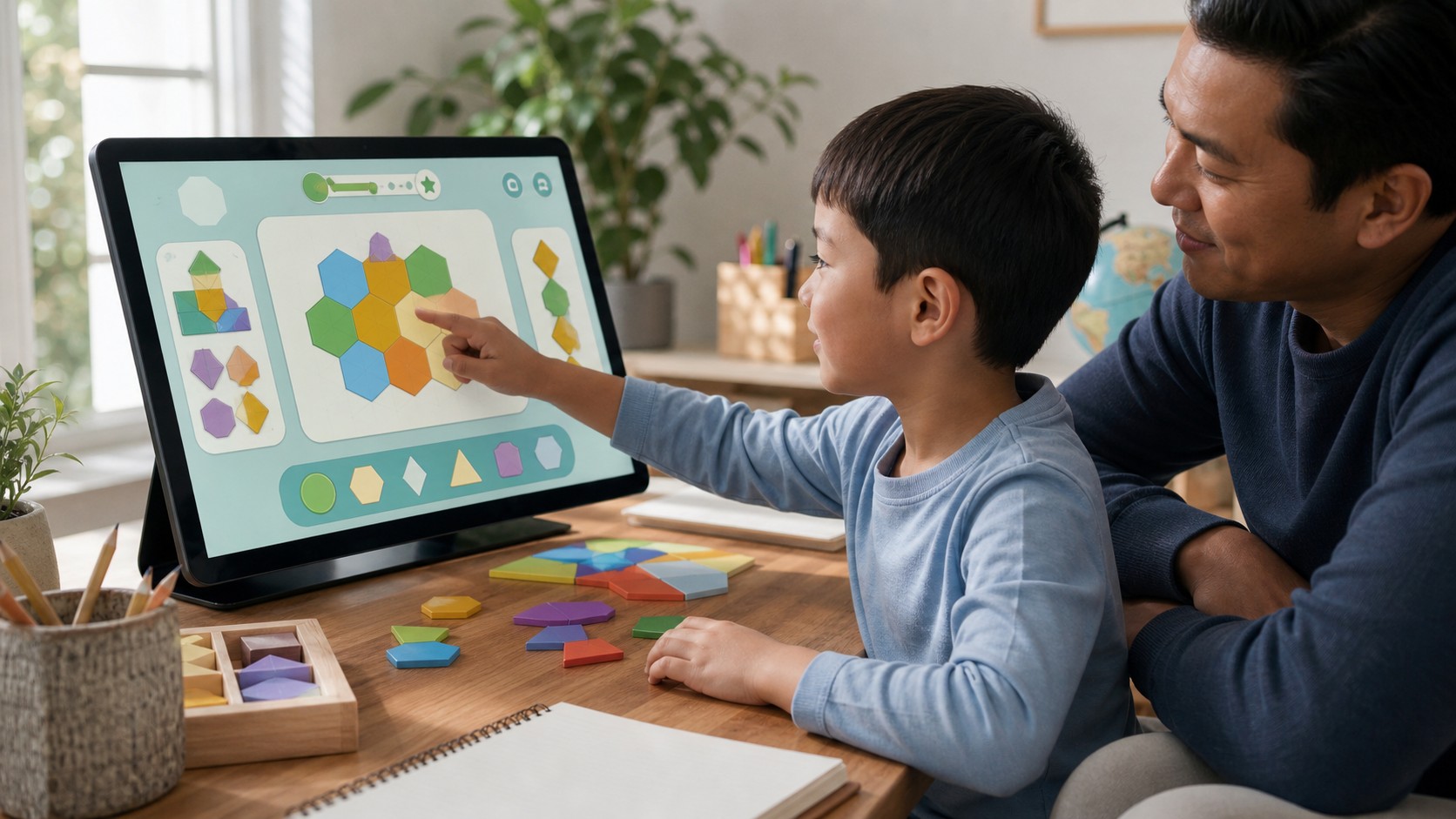
The strongest learning often happens when digital and physical play connect. A child may build a virtual city and then make one from boxes. They may solve an on-screen pattern and then notice a similar pattern in tiles, leaves, or music. Digital play becomes more valuable when it points children back toward the world.
Parents Can Ask Better Questions
Adults sometimes ask only how long a child was on a screen, but quality matters too. A better question is what the child did. Did they build something, solve something, practice something, talk with someone, or discover a new question? These details reveal whether digital play is active or passive.
Parents can also ask children to explain their process. What did you change? Why did that work? What was difficult? What do you want to try next? These questions turn digital play into reflection. They help children see their own thinking, which is a key part of learning.
The Future Is Blended, Not Screen-Only
Digital play is likely to remain part of childhood, but the healthiest future is blended. Children benefit when screens support curiosity, creativity, and problem solving while still leaving room for bodies, materials, books, nature, and conversation. Digital tools should widen childhood, not shrink it.
The best approach is thoughtful selection and active connection. Choose digital experiences that ask children to think, make, test, or collaborate. Then help those experiences connect to the rest of life. When digital play becomes one part of a balanced learning environment, it can be genuinely useful.
Digital Play Makes Systems Easier to See
One important change in digital play is that children can interact with systems that would otherwise be invisible, distant, or too slow to observe. They can watch a simulated habitat change, test a bridge design, adjust a route, or see how one coding block affects the next. The screen can make relationships visible.
That visibility can support learning when children are encouraged to think about what changed. The game or tool should not simply show an effect and rush onward. Children need time to ask why the result happened. When digital play makes cause and effect easier to notice, it can support deeper exploration.
Immediate Access Can Feed Curiosity
Digital tools have changed how quickly children can follow a question. A game about animals can lead to a video of real habitats, a map can lead to a new place name, and a building tool can lead to curiosity about architecture. This quick access can make learning feel alive because one idea leads naturally to another.
Fast access also needs guidance. Children can jump from one link or prompt to the next without building understanding. Adults help by slowing the chain down and asking what the child found, what source they used, and how the new information connects to the original question. Curiosity becomes stronger when it has direction.
Digital Play Can Support Different Learners
Some children benefit from being able to repeat a challenge privately, hear instructions again, adjust the pace, or use visual feedback. Digital play can offer those supports in ways that traditional materials sometimes cannot. A child who feels anxious in a group may be willing to test ideas alone first.
This does not mean digital play solves every learning need. Children still need adults, peers, physical materials, and rest. But when digital tools offer pacing, repetition, and multiple representations, they can give some learners an additional way into a concept. That expanded access is one reason digital play has become important.
Exploration Should Lead Back to Conversation
Digital exploration becomes more valuable when children talk about it. A child may build something, solve something, or discover something on screen, but conversation helps organize that experience. Explaining the process requires the child to remember steps, name problems, and describe choices.
Parents do not need to interrogate every session. A few curious questions are enough. What did you change? What surprised you? What would you try next? These questions show that the child’s thinking matters. They also help digital play connect with language, reflection, and real-world understanding.
Digital Play Is Best as Part of a Larger Childhood
The healthiest view of digital play is not that screens are magic or harmful by default. They are environments with different levels of quality. Some invite creativity and problem solving, while others mainly keep attention. Children benefit when adults choose carefully and keep digital play connected to books, nature, movement, toys, art, and conversation.
A balanced childhood gives children many ways to explore. Digital tools can help them simulate, revise, search, and share, while physical play helps them touch, move, build, and negotiate face to face. The goal is not to make every experience digital. The goal is to use digital play where it genuinely expands learning.
Digital Play Changes the Role of the Adult
Adults do not have to understand every game perfectly to support digital learning. Their role is often to notice the quality of the activity, ask good questions, and help the child connect digital discoveries to real life. A parent can be curious without becoming the expert. That posture keeps the conversation open.
This shift matters because children may know the controls better than adults, but adults still bring judgment, context, and values. They can help children think about time, safety, kindness, reliable information, and balance. Digital play changes the tools, but it does not remove the need for thoughtful guidance.
Exploration Should Include Making, Not Only Watching
Digital learning is strongest when children make choices inside the experience. Watching a video can introduce an idea, but building, testing, sorting, designing, or simulating requires more active thought. Children learn differently when the screen responds to what they do.
This is why parents should look for digital play that gives children agency. Can the child change the world, test a theory, or create something personal? If the answer is yes, the experience is more likely to support exploration. If the child only watches the next prompt, the learning may be thinner.