Cooperative Games Turn the Table Into a Team
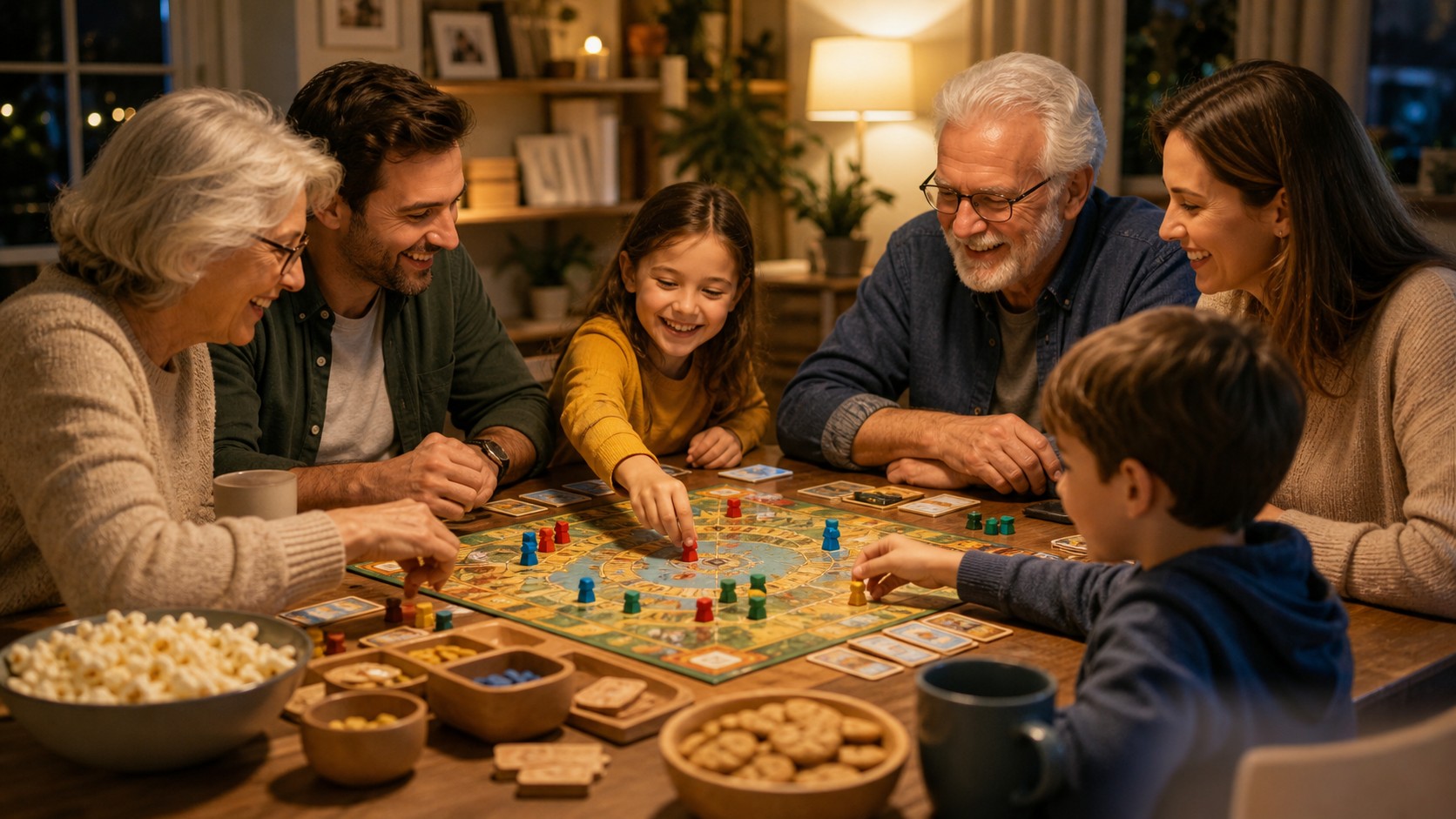
Cooperative board games change the emotional shape of game night because the players face the game together. Instead of one person winning while everyone else loses, the table shares a goal, a problem, and an outcome. That structure can be especially helpful for families, classrooms, and groups with mixed ages. The best cooperative games still create tension, but the tension points everyone toward planning, listening, and solving problems together.
Shared Goals Change the Conversation
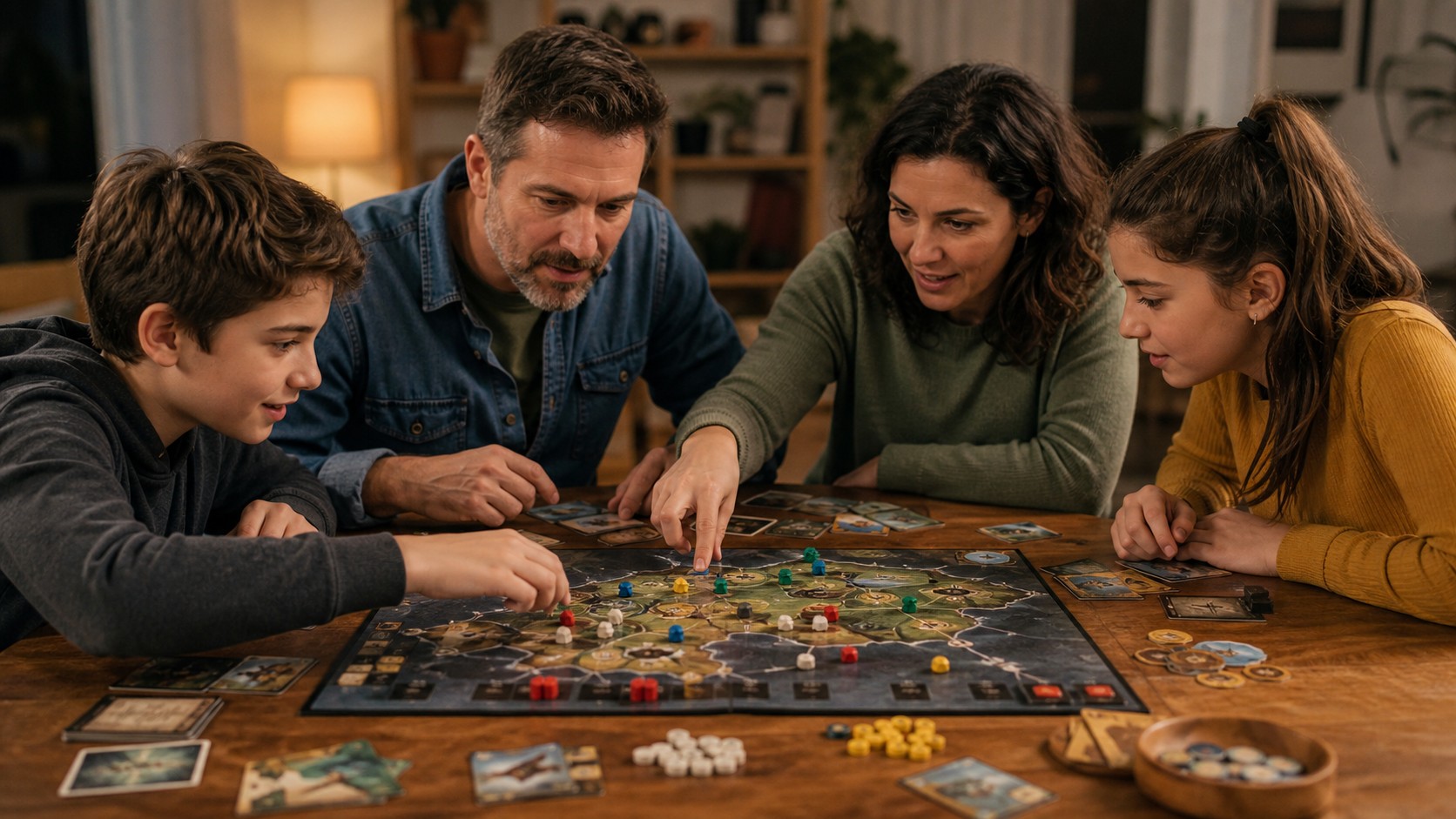
In a cooperative game, players talk differently because they are not trying to hide every idea. They discuss options, warn about risks, ask for help, and celebrate small progress. A bad card draw or unlucky moment becomes a shared problem instead of one person’s failure. That shift can make game night feel calmer and more generous.
Shared goals are especially useful for children who struggle with losing. The game still has stakes, but no sibling is personally responsible for defeating another. Players can experience disappointment together and then try again together. That makes losing easier to process because the emotional burden is spread across the team.
Good Cooperative Games Still Need Real Decisions
A cooperative game should not play itself. Players need meaningful choices about movement, timing, resource use, clues, roles, or risk. If the best move is obvious every turn, the game may feel flat. The strongest cooperative games create moments where the group has to compare several imperfect options.
Those choices are where teamwork becomes real. One player may see a danger, another may notice a future opportunity, and another may suggest a safer backup plan. The group learns to explain thinking instead of simply voting. A good cooperative game rewards communication as much as rule knowledge.
Roles Help Players Contribute
Many cooperative board games work well because each player has a role, power, or responsibility. One player may be good at movement, another at healing, another at gathering clues, and another at protecting resources. Roles give players identity inside the team. They also help younger or quieter players understand how they can contribute.
Roles should create cooperation, not isolation. A player should feel that their ability matters to the group, but not that they are playing a separate mini-game. The best role systems encourage players to combine strengths. The team succeeds because abilities overlap at the right moment.
Cooperation Should Not Become One-Person Control
The biggest risk in cooperative games is that one confident player may take over. This can happen when an adult, older sibling, or experienced player starts directing every move. The game may still be cooperative on paper, but the table no longer feels shared. Children need room to make suggestions and own decisions.
Families can prevent this by using table habits that protect participation. Ask each player what they notice before giving advice. Let younger players choose between two reasonable options. Treat imperfect moves as part of learning. A cooperative game works best when everyone is allowed to think, not merely follow instructions.
Tension Comes From the Game System
Good cooperative games create pressure through timers, spreading problems, limited actions, hidden information, or escalating threats. The game system becomes the opponent. This creates suspense without requiring players to attack one another. The table can groan together when the situation worsens, then rally around a plan.
That shared tension is one of the pleasures of cooperative play. Players remember the last-turn rescue, the clue that solved everything, or the moment when the team barely survived. The game produces stories of teamwork rather than stories of one person crushing another.
Communication Skills Grow Naturally
Cooperative games give children real reasons to communicate. They may need to explain what they can do, ask what another player needs, warn that a resource is running low, or suggest a plan for the next round. The conversation has purpose because the group cannot win through silent guessing.
This communication can build patience and listening. A child learns that their idea may be good but incomplete, or that another player has information they missed. The game makes listening useful. It is not just a social rule; it is how the team finds a better plan.
Mixed Ages Can Play More Comfortably
Cooperative games often handle mixed ages better than competitive games because experienced players can support newer ones without becoming opponents. A younger child can contribute a simple but meaningful action, while older players help plan around it. The table can adjust its conversation to include everyone.
The best mixed-age cooperative games keep choices visible and roles understandable. If the game depends on dense text or hidden complexity, younger players may still feel left out. But when the board shows the problem clearly, children can participate in spotting danger and suggesting solutions.
Winning Together Feels Different
A cooperative win has a distinct emotional payoff. Players do not just say that one person played well; they remember how the team survived. Someone bought time, someone saved a resource, someone noticed a clue, and someone made the final move. The victory belongs to the group.
That shared success can be powerful for families. It creates a memory of being on the same side, which is not always easy in daily sibling life. A good cooperative game lets children experience the pleasure of helping one another win.
Losing Together Can Still Be Useful
A cooperative loss can be disappointing, but it often leads to constructive reflection. Players may talk about what they missed, what they would do earlier next time, or which risk was worth taking. Because nobody beat anyone else, the conversation can stay focused on learning rather than blame.
Adults can help by framing the loss as information. The team learned that resources ran out too quickly, that one area of the board was ignored, or that communication broke down. That kind of after-game discussion can be short, but it helps children see loss as part of strategy.
Choosing a Cooperative Game
The right cooperative game depends on the group’s tolerance for pressure. Some families enjoy tense countdowns and difficult puzzles, while others need a gentler experience with more room to recover. Theme matters too. Saving animals, escaping mazes, solving mysteries, or protecting a kingdom may appeal to different children.
Before buying, look for clear roles, visible progress, manageable play time, and enough challenge to make teamwork necessary. A cooperative game should not simply be easy. It should make players feel that listening, planning, and helping changed the outcome.
Cooperative Games Build Shared Responsibility
A cooperative board game makes responsibility visible because the outcome belongs to the whole group. If one area of the board is ignored, everyone feels the effect. If a resource is spent too quickly, the team has to adjust together. Children begin to understand that their choices matter to other people, which is a useful social lesson inside a playful structure.
Shared responsibility can also soften blame. Instead of saying one person ruined the game, the table can talk about what the team missed. Maybe the group waited too long, split up too far, or forgot a threat. That kind of language helps children think systemically. The problem is not a person; the problem is the situation the team must solve.
Discussion Is the Heart of Cooperative Play
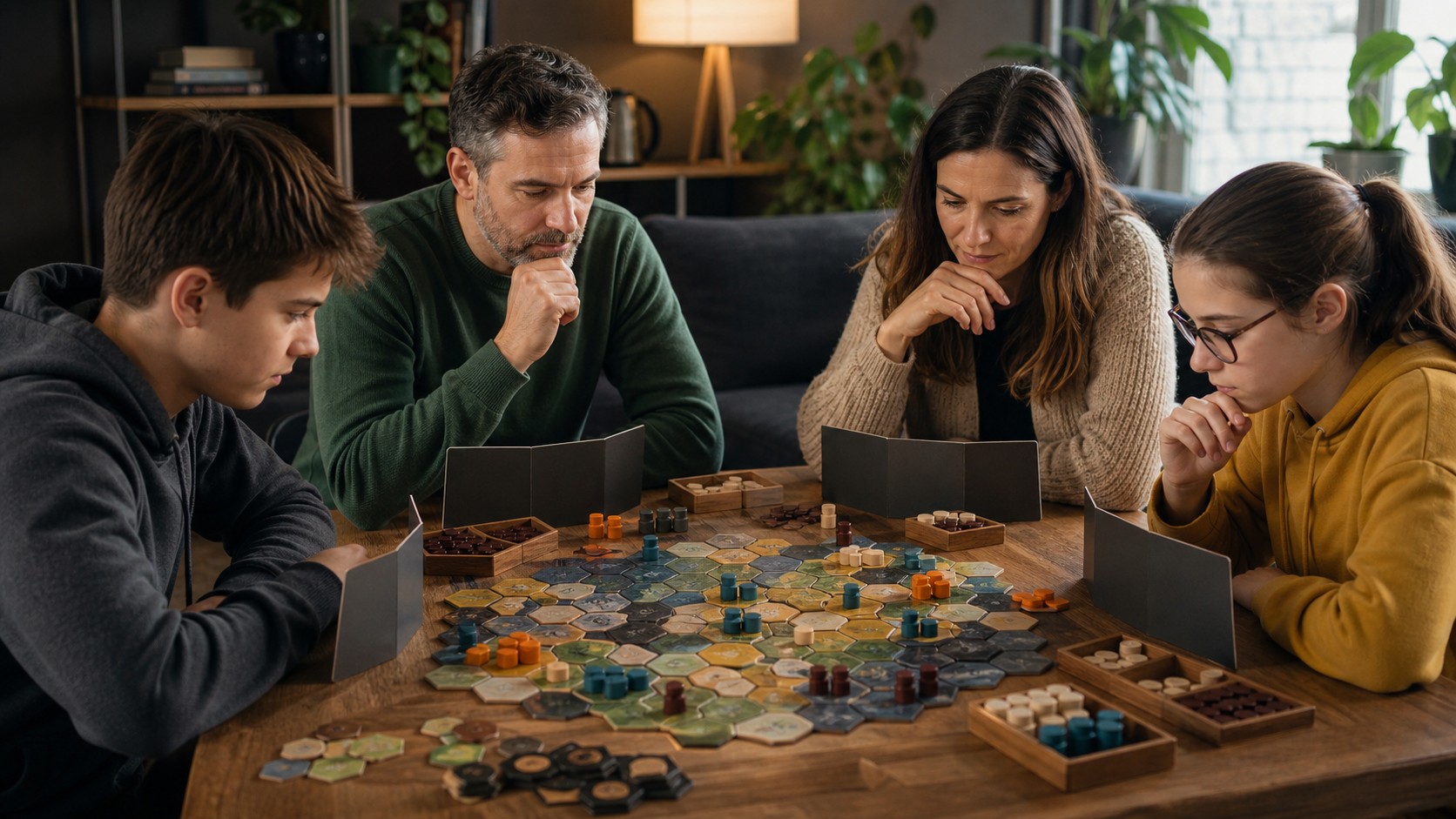
The best cooperative games create reasons to talk before acting. Players may compare risks, ask who can reach a space, decide whether to spend a resource, or debate whether the team should prepare or push forward. These conversations are not extra noise. They are the game. The quality of discussion often determines the quality of the play.
Children can learn a great deal from these discussions. They hear how other people weigh choices, explain uncertainty, and respond to pressure. They also practice making their own thinking clear. A cooperative game gives them a reason to speak with purpose, listen with care, and revise a plan when new information appears.
Difficulty Should Feel Like a Shared Mountain
A cooperative game should not be so easy that the team wins automatically, but it should not feel impossible either. The best difficulty feels like a mountain the group can climb with attention and teamwork. Players should sense that better communication, smarter timing, or stronger role use could change the result.
Adjustable difficulty is helpful because groups grow. A family may need the easiest version for the first few plays, then add harder rules once everyone understands the system. This keeps the game useful over time. The team can feel itself improving, which makes the shared win more satisfying.
The Theme Should Make Helping Feel Natural
Cooperative games are strongest when the theme explains why players are working together. Rescuing animals, solving a mystery, escaping danger, protecting a habitat, or completing a mission gives the team an emotional reason to cooperate. Children understand the goal more quickly when the story makes sense.
Theme also shapes the tone. A gentle rescue game may be right for younger children, while older players may enjoy tense mysteries or survival challenges. The best theme is not just decoration. It helps players care about the shared problem and remember what the team is trying to accomplish.
Replay Helps Teams Improve Together
Cooperative games often become more interesting after the first loss or narrow win. The team begins to understand the system, anticipate danger, and use roles more effectively. Replay is not just doing the same thing again. It is the group testing a better way to work together.
This improvement can be very satisfying for children. They see that the team learned something. A strategy that failed last time can be replaced by a stronger plan. That gives cooperative games a hopeful quality, because even losing can become part of the path toward a future win.
Cooperative Play Can Reduce Game-Night Anxiety
Some children avoid board games because they dislike being singled out as the loser. Cooperative games can lower that emotional barrier. The child still faces challenge, but the result belongs to the team. That makes it easier to take a turn, suggest an idea, and recover when a move does not work as planned.
This does not mean cooperative games remove all frustration. The team may still lose, and pressure can still rise near the end. The difference is that the frustration has somewhere healthier to go. Players can talk about the game system, the timing, or the next plan instead of blaming one another next time.
Shared Wins Help Children Notice Contribution
A cooperative win is strongest when players can see how different contributions mattered. One player may have protected a resource, another may have solved a route problem, and another may have taken a quiet setup turn that made the final move possible. These moments help children understand that contribution is not always flashy.
That lesson can be meaningful beyond the table. Children learn that helping a group may mean preparing, listening, waiting, or supporting someone else’s move. Cooperative games make those quieter forms of teamwork visible. A shared win can therefore teach both strategy and generosity.