The Power of Imagination in Childhood
Childhood is a time when imagination feels limitless. A cardboard box can become a spaceship, a backyard can transform into a distant planet, and a small action figure can lead armies across galaxies. Fantasy and science fiction play worlds tap directly into this natural creative energy. They invite children to build stories, explore possibilities, and invent characters that exist beyond everyday life. Fantasy and sci-fi toys and play environments give children the tools to turn imagination into a structured experience. Instead of simply playing with objects, kids begin crafting narratives, solving fictional problems, and experimenting with ideas. This type of imaginative play has long been recognized by educators and developmental psychologists as a powerful driver of creativity and cognitive growth. When children step into fantasy and science fiction worlds, they become storytellers, engineers, explorers, and heroes all at once. The result is not just entertainment. It is a creative training ground where young minds practice innovation, emotional expression, and independent thinking.
A: They encourage kids to invent characters, worlds, and storylines.
A: Many sets work for ages 5 and up, with complexity increasing over time.
A: Yes, they support storytelling, language skills, and imaginative thinking.
A: Many introduce concepts related to space, technology, and exploration.
A: Provide open ended toys and let kids invent their own adventures.
A: Not necessarily; even small figures can create huge imaginary worlds.
A: Characters, environments, and accessories that inspire storytelling.
A: Space exploration sparks curiosity about the unknown.
A: Yes, expanding collections helps build larger imaginative universes.
A: It strengthens creativity, problem solving, and storytelling skills.
Why Fantasy Worlds Inspire Creative Thinking
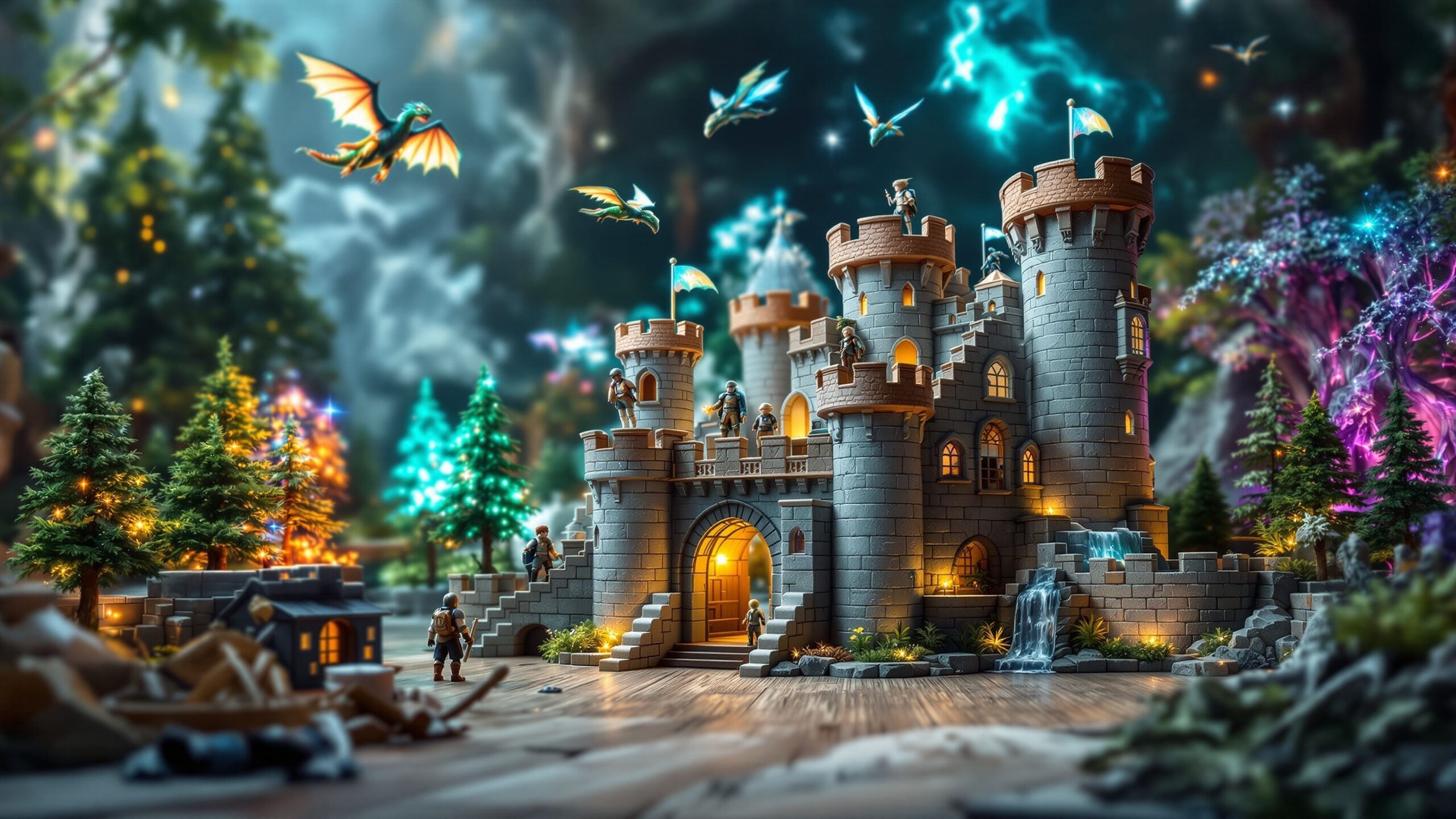
Fantasy play environments are powerful because they remove the limitations of reality. Dragons can fly, castles can float in the clouds, and magical forests can stretch across entire rooms. This freedom allows children to experiment with ideas without worrying about rules or constraints.
When kids play in fantasy worlds, they naturally begin asking imaginative questions. What if a knight befriends the dragon instead of fighting it? What if the wizard loses their powers and must solve problems without magic? These kinds of scenarios encourage children to invent new storylines and solutions.
Fantasy settings also encourage symbolic thinking. A plastic sword becomes a legendary weapon, and a simple figure becomes a heroic character with a complex personality. Through this process, children practice abstract thinking and narrative construction.
Another key element of fantasy play is emotional storytelling. Kids often place characters into situations that mirror their own feelings or experiences. A character may overcome fear, learn bravery, or form friendships across imaginary kingdoms. These narratives help children explore emotions in a safe and creative way.
Fantasy worlds also encourage collaborative storytelling when children play together. Friends might build shared kingdoms, invent rival factions, or create quests that require teamwork. These collaborative experiences teach communication, negotiation, and creative cooperation.
Science Fiction Play and the Curiosity of Discovery
While fantasy sparks magic and myth, science fiction introduces children to the excitement of discovery and possibility. Sci-fi play worlds often involve spaceships, futuristic technology, alien civilizations, and interstellar exploration. These themes naturally encourage curiosity about science and innovation.
When children play with sci-fi toys, they frequently invent scenarios that resemble real scientific exploration. A spaceship might be on a mission to map a new planet. Robots may work together to repair a damaged space station. Explorers might encounter unknown creatures and learn about their environment.
This kind of play stimulates curiosity about how things work. Children may start asking questions about rockets, planets, artificial intelligence, and space travel. While the play itself is fictional, it often sparks genuine interest in science, engineering, and technology.
Sci-fi play also encourages experimentation. Kids may redesign their spaceships, invent new alien species, or imagine advanced technologies that solve complex problems. These activities nurture inventive thinking and the ability to imagine future possibilities.
Many educators view science fiction play as an early gateway to STEM thinking. Through imaginative exploration, children begin practicing the mindset of scientists and innovators.
Storytelling as the Core of Creative Play
One of the most powerful aspects of fantasy and sci-fi play worlds is storytelling. When children engage with these environments, they rarely follow a fixed script. Instead, they create evolving narratives that unfold over time.
A simple play session might begin with a hero traveling across space or entering a magical forest. Soon, new characters appear, conflicts arise, and unexpected twists reshape the story. The child becomes both the author and the director of an unfolding narrative.
This form of storytelling strengthens several important cognitive skills. Children learn to structure ideas into sequences, connect cause and effect, and develop complex plotlines. They also learn how characters interact, evolve, and solve problems.
Over time, storytelling play can become surprisingly elaborate. Some children build entire fictional universes, complete with backstories, alliances, and legendary events. These imaginative worlds may span multiple play sessions and evolve as new ideas emerge.
Storytelling play also supports language development. As children narrate their stories, they practice descriptive language, dialogue, and creative expression. Even when playing alone, kids often verbalize scenes and character interactions, strengthening communication skills.
Building Worlds and Creative Environments
Fantasy and sci-fi play often involve building environments that serve as the backdrop for adventures. Castles, alien landscapes, space stations, and enchanted forests become stages where stories unfold.
Constructing these worlds encourages spatial reasoning and creative design. Children arrange structures, design landscapes, and modify environments to support their stories. A simple set of building blocks might become a futuristic city, while toy trees can form a mystical forest.
The process of building play environments teaches problem solving. Children must decide how structures connect, where characters move, and how different locations interact within their stories. They experiment with layout, balance, and scale.
Many kids enjoy transforming everyday objects into parts of their imaginary worlds. A stack of books might become a mountain range, while a blanket can form the surface of an alien planet. This creative repurposing strengthens flexible thinking and inventive problem solving.
By constructing their own play environments, children become world builders. They design settings that reflect their imagination and adapt them as stories evolve.
Character Creation and Identity Exploration
Another important element of fantasy and sci-fi play is character creation. Children often invent personalities, abilities, and backstories for the characters they use during play.
Some characters represent heroes who protect others and overcome danger. Others may be mysterious explorers, brilliant inventors, or powerful rulers of imaginary worlds. Kids sometimes create entire teams of characters with different skills and personalities.
Through these characters, children explore different identities and perspectives. A child who feels shy might create a fearless adventurer. Another child may invent a wise leader who solves problems calmly and thoughtfully.
Character creation also allows kids to experiment with moral choices and ethical dilemmas. Should the hero fight the villain or try to negotiate peace? Should explorers share resources with alien civilizations or protect their own planet first?
These scenarios encourage empathy and ethical thinking. Children practice considering different viewpoints and imagining how characters might feel in various situations.
The Role of Open Ended Toys in Imaginative Play
Open ended toys play a crucial role in fostering creativity within fantasy and sci-fi worlds. Unlike toys with fixed functions or scripted activities, open ended toys allow children to decide how they are used.
Action figures, building blocks, model spaceships, and modular playsets are excellent examples. These toys provide a foundation for imagination without dictating specific outcomes. Kids can modify them, combine them, and invent entirely new uses.
Open ended toys encourage experimentation and flexibility. A spaceship might become a rescue vehicle in one story and a research vessel in another. A castle might transform into a futuristic fortress during the next adventure.
This flexibility ensures that play remains fresh and engaging. Children continuously reinvent their play worlds rather than repeating the same scenario.
Open ended toys also encourage independent thinking. Instead of following instructions, kids must decide what happens next. This sense of creative ownership strengthens confidence and problem solving skills.
Collaborative Play and Shared Adventures
When children explore fantasy and sci-fi worlds together, creativity expands even further. Group play encourages kids to combine ideas and build shared stories that evolve through collaboration.
One child might invent a hero who leads the mission, while another designs a villain who challenges the team. A third child might create an entire alien civilization that interacts with both sides.
Through these collaborative narratives, children practice negotiation and compromise. They must agree on story directions, share roles, and adapt to new ideas introduced by their friends.
Collaborative play also strengthens communication skills. Kids explain their characters, describe environments, and respond to unexpected story developments created by others.
These shared adventures often become memorable experiences that strengthen friendships and social bonds.
Encouraging Creativity Through Sci-Fi and Fantasy Media
Books, movies, and animated series often introduce children to the worlds of fantasy and science fiction. These stories inspire imaginative play by presenting exciting characters, technologies, and magical environments.
After watching a space adventure or reading a fantasy novel, children often recreate scenes using their toys and play environments. They may also invent entirely new stories that extend beyond the original narrative.
This process of reinterpretation is an important form of creative thinking. Instead of simply copying a story, children modify it, expand it, and personalize it.
Parents and educators can encourage this creativity by providing materials that support imaginative play. Building sets, costume accessories, and open ended playsets all help children transform ideas into interactive experiences.
The Lasting Impact of Imaginative Play
The creative benefits of fantasy and sci-fi play extend far beyond childhood. Many artists, writers, scientists, and innovators credit their early imaginative play experiences as a source of inspiration for their careers.
The ability to imagine new worlds, design creative solutions, and explore complex ideas is a valuable skill in many fields. Fantasy and sci-fi play nurture these abilities from an early age.
Children who engage in imaginative play often develop strong storytelling skills, inventive thinking, and confidence in their creative ideas. These qualities support learning, innovation, and artistic expression throughout life.
Supporting Imagination at Home
Parents and caregivers can support imaginative play by creating environments that encourage creativity rather than strict rules. Open spaces for building, collections of versatile toys, and opportunities for storytelling all help children explore fantasy and sci-fi worlds.
Encouraging kids to invent their own characters and storylines also strengthens creativity. Instead of directing play, adults can ask open-ended questions that inspire deeper storytelling.
Questions such as “What happens next in your adventure?” or “How will your explorers solve that problem?” prompt children to expand their narratives and think creatively.
Providing time for unstructured play is equally important. When kids have freedom to explore their ideas without interruption, their imagination naturally flourishes.
A Universe of Creativity Waiting to Be Explored
Fantasy and science fiction play worlds offer far more than entertainment. They create environments where children can experiment with ideas, invent stories, and explore limitless possibilities.
Through magical kingdoms and distant galaxies, kids learn how to think creatively, collaborate with others, and imagine solutions to complex problems. These imaginative experiences shape how young minds approach storytelling, innovation, and discovery.
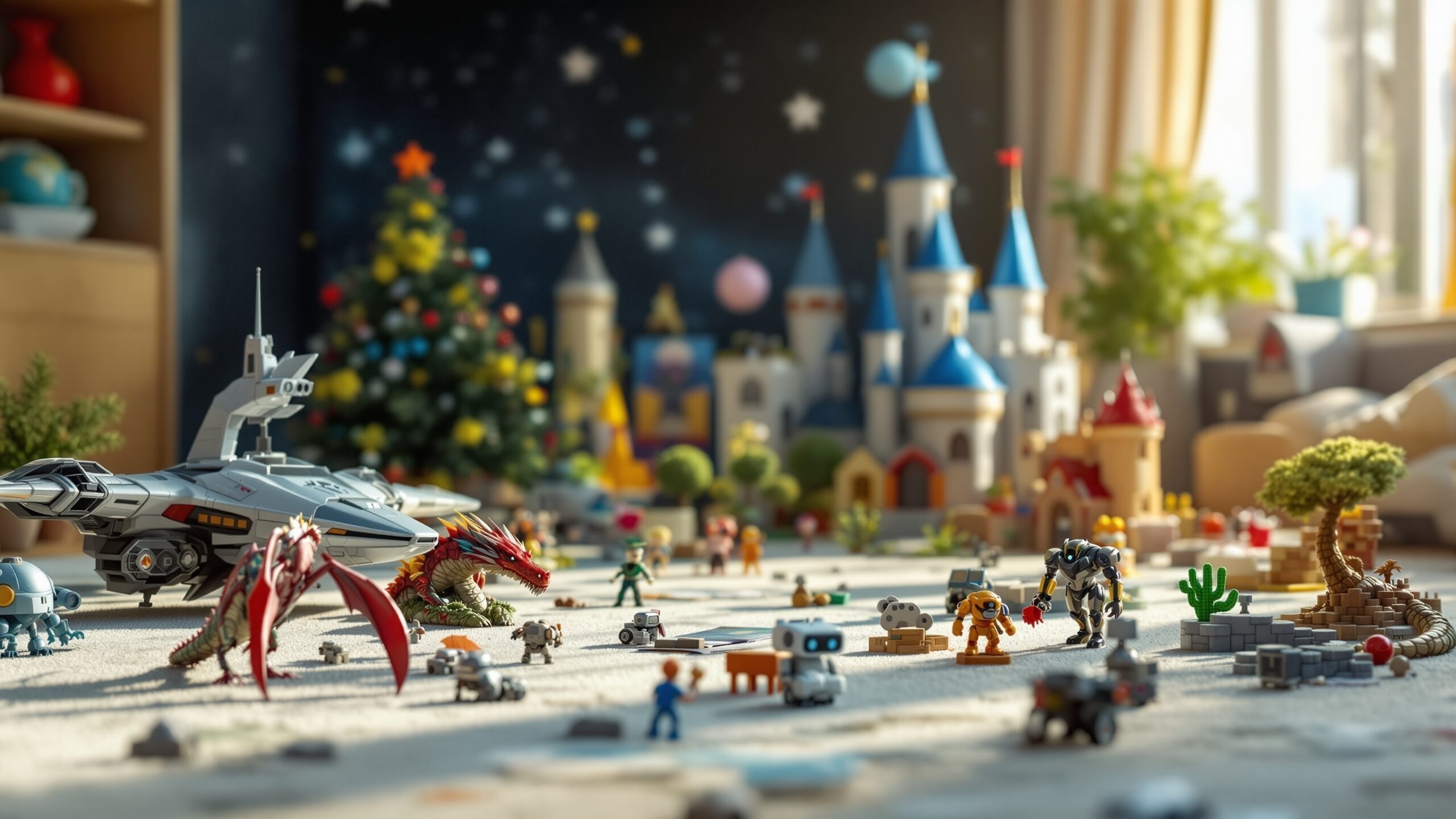
Every castle built from blocks, every spaceship launched from a bedroom floor, and every hero invented during play represent a step into creative exploration. Within these worlds of dragons, robots, explorers, and alien civilizations, children discover something powerful. They realize that imagination has no boundaries and that the greatest adventures often begin with a simple idea and a willingness to dream.