The Power of Play in Childhood Development
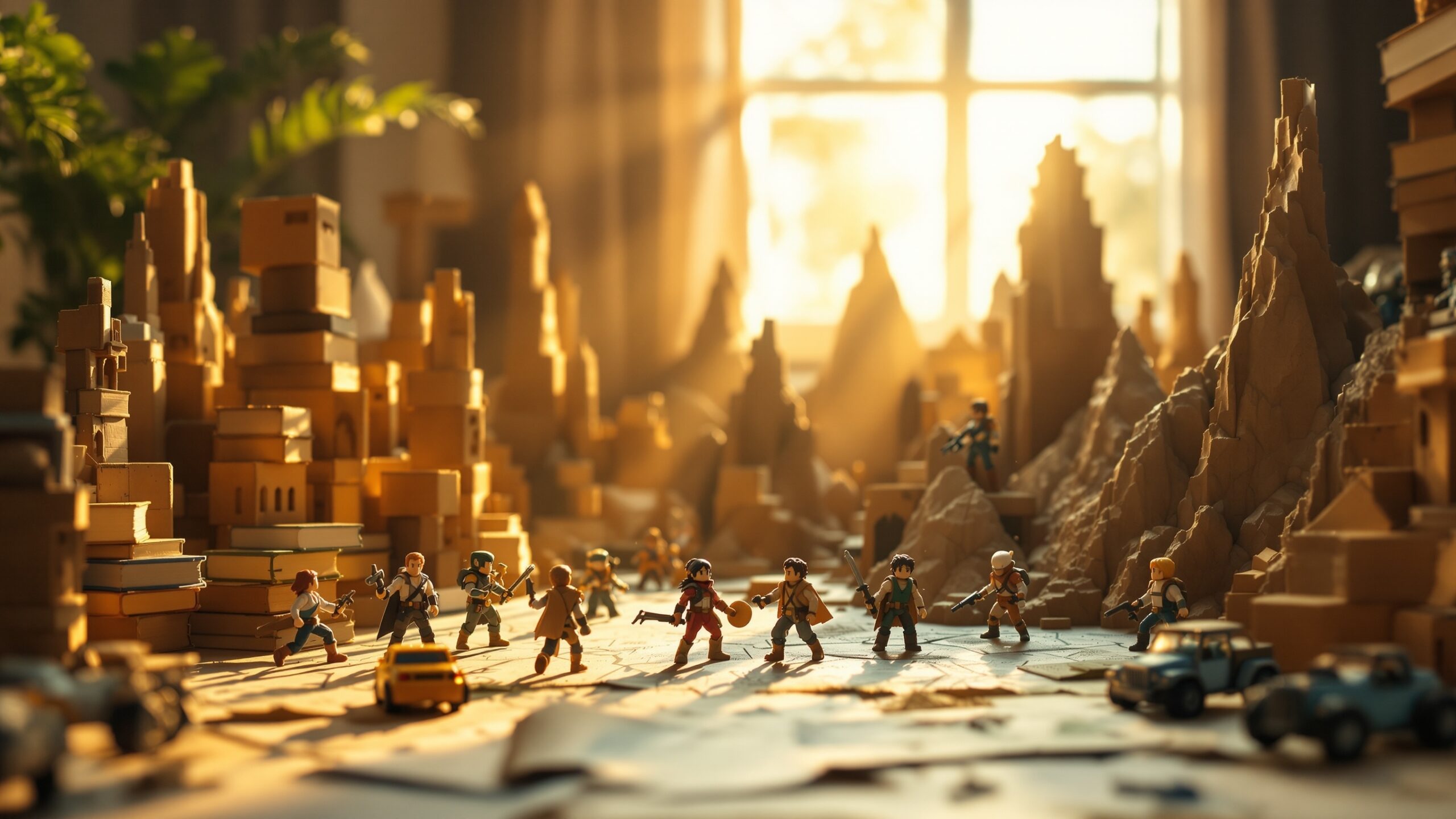
Play is one of the most powerful tools children have for learning about the world around them. Through play, children explore ideas, experiment with roles, and construct narratives that help them understand experiences and emotions. Among the many types of toys available today, action figures hold a unique place in childhood development because they encourage imaginative thinking and storytelling in ways few other toys can match. Action figures act as physical characters in a child’s self-created universe. Whether they represent superheroes, explorers, astronauts, robots, or fantasy warriors, these small figures provide the building blocks for complex imaginative play. When children pick up an action figure, they are not simply moving a toy across the floor. They are creating stories, inventing personalities, solving problems, and developing the cognitive tools that support creativity and communication. In a world increasingly dominated by digital entertainment, action figure play remains a powerful form of open-ended play. Unlike video games or scripted media, action figures do not impose strict rules or narratives. Instead, they invite children to become the creators of their own adventures. This freedom stimulates imagination, strengthens storytelling skills, and encourages children to think in creative and narrative-driven ways. Understanding how action figure play supports imagination and storytelling reveals why these toys continue to be valuable tools for childhood development.
A: They promote creativity, storytelling, and imaginative role playing.
A: Most children begin imaginative figure play between ages 4 and 10.
A: Yes, they strengthen language development, narrative thinking, and social skills.
A: Playsets provide environments that make storytelling more immersive.
A: Not necessarily; even a few characters can create endless story possibilities.
A: Yes, independent storytelling strengthens imagination and creativity.
A: Many kids draw comics or build props inspired by their toy stories.
A: Provide space, props, and encouragement for kids to create their own adventures.
A: Repetition helps them refine narratives and explore new plot ideas.
A: Yes, many people continue storytelling through toy photography, collecting, and stop motion animation.
Action Figures as Storytelling Tools
Every story needs characters, and action figures naturally fill that role in a child’s imaginative world. When a child begins playing with an action figure, they often assign the figure a personality, motivations, and goals. The figure might be a hero saving a city, an explorer discovering a hidden planet, or a knight defending a castle.
Through this process, children learn the basic structure of storytelling. They create beginnings, conflicts, and resolutions. A simple play scenario might start with a hero preparing for a mission, escalate into a battle or challenge, and end with the character achieving victory or learning a lesson.
This type of play mirrors the structure of classic storytelling found in books and films. Children instinctively practice narrative construction by organizing events in logical and dramatic ways. They experiment with plot twists, emotional moments, and character development without even realizing they are practicing complex storytelling techniques.
Because action figures are physical objects, they make stories tangible. A child can move characters through environments, stage dramatic confrontations, and visually represent scenes from their imagination. This tactile interaction strengthens the connection between thought and narrative creation. Over time, children become more sophisticated storytellers. Their plots become more elaborate, their characters develop deeper personalities, and their imaginative worlds expand.
Building Imagination Through Open-Ended Play
One of the most important aspects of action figure play is its open-ended nature. Unlike toys with a single purpose or outcome, action figures allow children to invent endless scenarios. A single figure can become a superhero one day, a space pilot the next, and a jungle explorer the day after that.
This flexibility encourages divergent thinking, a cognitive skill that allows individuals to generate multiple ideas and solutions. Divergent thinking is a key component of creativity, and it is often strengthened through imaginative play.
When children use action figures, they constantly ask themselves creative questions. What mission will this character go on today? Who will help them? What obstacles will they face? How will they succeed?
These questions lead children to invent entire worlds. They may build cities from blocks, create forests from pillows, or construct spacecraft from household objects. Each environment becomes a stage for storytelling and imaginative exploration.
Because there are no strict rules, children feel free to experiment with ideas. Heroes might team up with villains, robots might become allies with dinosaurs, and historical warriors might explore distant planets. This imaginative freedom allows children to blend ideas from different sources and create unique narratives.
Over time, this kind of play strengthens a child’s ability to imagine possibilities, think creatively, and approach challenges with innovative thinking.
Role Play and Character Development
Action figure play also helps children understand characters and roles. When a child controls multiple figures during play, they often give each one a different voice, personality, and set of motivations. One character might be brave, another cautious, and another mischievous.
By switching between characters, children practice perspective-taking. They learn to think about situations from different viewpoints. This skill is closely related to empathy and emotional intelligence.
For example, a child might create a story where two characters disagree about how to solve a problem. By acting out both sides of the conversation, the child practices understanding multiple perspectives and resolving conflicts.
Role play also helps children explore identity. Action figures often represent archetypes such as heroes, leaders, explorers, inventors, and protectors. When children embody these roles through play, they experiment with qualities like bravery, responsibility, teamwork, and determination.
These imaginative experiences allow children to rehearse social situations and emotional responses in a safe and playful environment.
Developing Narrative Structure
Storytelling is not just about imagination. It also involves structure. Effective stories follow patterns that help audiences understand the sequence of events and the motivations of characters.
Through action figure play, children naturally begin to understand these narrative patterns. Many stories created during play follow recognizable structures such as:
A mission or goal
A challenge or conflict
A series of obstacles
A final confrontation
A resolution or lesson learned
Even young children begin to internalize these storytelling frameworks through repeated play experiences. They learn that stories become more exciting when tension builds and characters face challenges before achieving success.
As children grow older, their stories often become more complex. They may create multi-episode adventures where characters travel through different locations, encounter new allies, and face evolving conflicts.
This development mirrors the storytelling techniques used in books, films, and television. By practicing narrative construction through play, children strengthen the cognitive skills required for writing, reading comprehension, and creative expression.
Language Development Through Storytelling
Action figure play often involves spoken dialogue. Children frequently narrate their stories aloud, giving voice to the characters and describing events as they unfold.
This form of verbal storytelling supports language development in several important ways. Children expand their vocabulary as they describe actions, emotions, and environments. They practice sentence construction and narrative sequencing as they explain what is happening in their stories.
For example, a child might say, “The hero has to climb the mountain to reach the secret base, but the villain is already waiting at the top.” In this simple statement, the child is practicing descriptive language, cause and effect relationships, and narrative tension.
Over time, children become more confident communicators. They learn how to express ideas clearly, organize thoughts logically, and engage listeners with compelling stories.
These skills translate directly into academic success. Students who are comfortable telling stories and explaining ideas often perform better in reading comprehension, writing assignments, and classroom discussions.
Emotional Exploration Through Play
Imaginative play with action figures also allows children to explore emotions and experiences in a safe environment. Stories created during play often reflect real-life concerns, fears, and hopes.
A child might create a story where a hero overcomes a difficult challenge, rescues a friend, or learns to work with others. These narratives can mirror situations the child has experienced in school, friendships, or family life.
Through storytelling, children process emotions and experiment with solutions to problems. A story about a character facing a challenge can help a child understand resilience and problem solving.
Action figures provide emotional distance that makes it easier for children to explore difficult topics. Because the characters are fictional, children can express fears, frustrations, and aspirations without feeling personally exposed.
This emotional rehearsal helps children build confidence and emotional regulation skills.
Social Collaboration and Shared Story Worlds
While action figure play can be enjoyed individually, it often becomes even more powerful when children play together. Shared play sessions encourage collaboration, negotiation, and cooperative storytelling.
When two or more children create a story together, they must agree on characters, settings, and plot developments. One child might introduce a new character, while another suggests a new challenge or mission.
This collaborative storytelling strengthens social communication skills. Children practice listening, compromising, and building on each other’s ideas.
Shared action figure play can also lead to the creation of long-running story worlds. Children may develop ongoing narratives that continue across multiple play sessions. Characters evolve, alliances form, and entire imaginary universes emerge.
These shared narratives mirror the collaborative storytelling found in theater, filmmaking, and creative writing.
The Influence of Pop Culture and Creative Expansion
Many action figures are inspired by characters from movies, comics, television shows, and video games. These familiar characters provide a starting point for imaginative play.
Children often begin by recreating scenes from their favorite stories. Over time, however, they start to modify and expand those narratives. A superhero might team up with a space explorer. A robot might join forces with a fantasy warrior.
This blending of worlds encourages creative reinterpretation. Children become active participants in storytelling rather than passive consumers of entertainment.
Instead of simply watching stories unfold on a screen, they take control of the narrative and reshape it according to their imagination.
This process encourages creative ownership and storytelling confidence.
Physical Interaction and Creative Thinking
Action figure play involves both mental imagination and physical interaction. Children move characters through environments, simulate battles or rescues, and build landscapes using everyday objects.
This physical activity supports kinesthetic learning, where movement and hands-on interaction reinforce cognitive processes. By physically manipulating characters and environments, children make their stories more vivid and immersive.
Building play environments also encourages engineering and design thinking. A child might construct a fortress from blocks, create a bridge from books, or design a spaceship from cardboard.
These creative builds become part of the narrative world and enhance the storytelling experience.
The combination of physical play and narrative creation strengthens both imagination and problem-solving abilities.
Encouraging Creativity in the Digital Age
Today’s children grow up surrounded by digital entertainment. While video games and streaming content can be enjoyable, they often provide structured narratives and predetermined outcomes.
Action figure play offers a valuable counterbalance. Instead of following a scripted storyline, children become the authors of their own adventures.
This type of play promotes independent thinking and creative exploration. Children learn that stories can be invented, modified, and expanded endlessly.
Parents and educators often encourage this form of play because it nurtures creativity in ways that passive media consumption cannot replicate.
By giving children simple tools such as action figures, building blocks, and open play spaces, adults can create opportunities for imaginative storytelling to flourish.
Why Action Figure Play Still Matters
Action figures have been part of childhood for generations, from early toy soldiers to modern superhero figures and fantasy characters. Despite changes in technology and entertainment, these toys remain powerful tools for imaginative play.
Their enduring popularity reflects a fundamental truth about childhood development. Children naturally seek ways to tell stories, explore ideas, and express creativity.
Action figures provide a simple yet effective platform for these activities. They allow children to invent heroes, face challenges, solve problems, and imagine worlds beyond the limits of everyday life.
Through this process, children develop storytelling abilities, emotional intelligence, social skills, and creative confidence.
The Storytelling Skills That Last a Lifetime
The storytelling skills children practice through action figure play often carry into adulthood. Many writers, filmmakers, designers, and artists trace their creative interests back to imaginative play during childhood.
By creating stories with toys, children learn how narratives work, how characters evolve, and how conflicts drive engaging plots. These foundational experiences help shape creative thinking later in life.
Even for those who do not pursue creative careers, storytelling remains an essential human skill. People use stories to communicate ideas, share experiences, and inspire others.
Action figure play provides one of the earliest opportunities for children to practice this powerful form of expression.
Conclusion: Small Toys, Big Imagination
Action figures may be small, but the imaginative worlds they inspire are limitless. Through storytelling, role play, and creative exploration, these toys help children develop essential cognitive, emotional, and communication skills.
Each adventure created during play strengthens imagination and narrative thinking. Heroes face challenges, villains create obstacles, and children learn how stories unfold through conflict and resolution.
In a rapidly changing world, the simple act of imaginative play remains one of the most valuable experiences a child can have. Action figures transform ordinary playtime into epic adventures where creativity thrives and storytelling skills grow stronger with every new mission.
The next time a child stages a daring rescue, explores a distant planet, or leads a team of heroes into battle, something remarkable is happening. They are not just playing with toys. They are building the imagination and storytelling abilities that will shape how they think, create, and communicate for years to come.